

Nani je has always been a central figure in the evolution of Pakistani fashion. From traditional garments passed down through generations to modern couture, her influence is undeniable.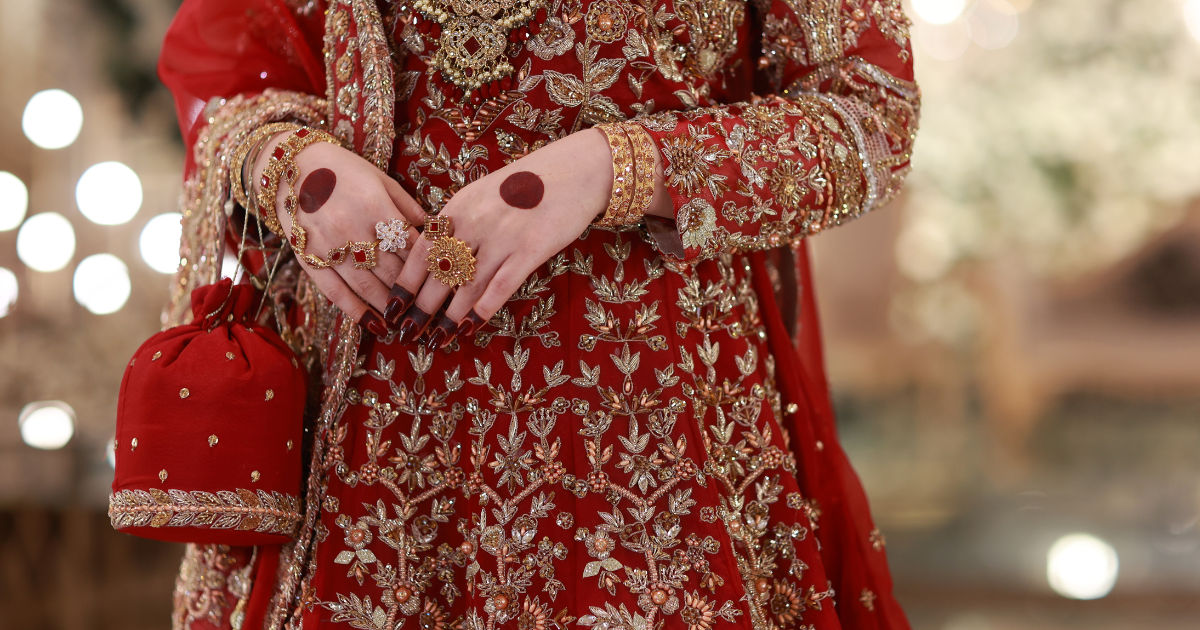
In contemporary Pakistan, Nani je couture has not only preserved cultural heritage but also transformed the fashion landscape, blending traditional elegance with innovative designs.
Understanding how couture shapes modern Pakistani fashion requires examining its history, cultural influences, design principles, and the changing tastes of fashion enthusiasts.
The Roots of Couture in Pakistani Fashion
Couture in Pakistan has deep historical roots, tracing back to the Mughal era, where elaborate embroidery, luxurious fabrics, and intricate craftsmanship were symbols of prestige. Nani je often served as the custodian of these traditions, ensuring that cultural and familial aesthetics were preserved.
Traditional garments like the shalwar kameez, lehenga, and sherwani were adorned with hand-stitched embellishments such as zardozi, gota, and mirror work. These techniques were considered haute couture of their time, reserved for special occasions and elite social circles.
With time, couture in Pakistan began incorporating regional influences. The rich textiles from Punjab, Sindh, Balochistan, and Khyber Pakhtunkhwa added variety and depth to the fashion scene. Each region contributed its unique embroidery style, color palette, and fabric choice, which collectively enriched the modern couture landscape.
The Influence of Nani je on Fashion Aesthetics
The role of Nani je in shaping fashion preferences cannot be overstated. Her sense of style, choice of fabrics, and eye for embellishment often guided younger generations. Today, fashion designers acknowledge this influence by blending traditional motifs with contemporary silhouettes.
Nani je’s perspective on modesty, elegance, and timeless beauty continues to resonate in modern collections. Designers often create pieces that reflect her wisdom—garments that balance innovation with cultural authenticity. Through this lens, couture becomes a bridge between the past and the present, honoring heritage while embracing new trends.
Modern Pakistani Couture: Key Characteristics
Contemporary Pakistani couture is characterized by a unique combination of traditional and modern elements. Some key features include:
-
Luxurious Fabrics: Silk, chiffon, organza, velvet, and brocade dominate modern couture. These fabrics not only provide a premium look but also allow intricate embroidery and beadwork.
-
Intricate Embroidery: Handcrafted embellishments remain central. Techniques like aari, zardozi, and resham work are applied with precision, turning garments into wearable art.
-
Innovative Silhouettes: While traditional forms like the anarkali and lehenga remain popular, designers experiment with asymmetrical cuts, layered dresses, capes, and fusion styles.
-
Color Palette: Modern couture embraces bold colors, pastels, and metallics. Designers use color to express mood, personality, and occasion.
-
Customization: Couture emphasizes individuality. Personalized garments allow wearers to express identity and preference, reflecting the influence of Nani je in valuing personal style.
Fusion of Traditional and Contemporary Styles
One of the most significant ways couture shapes modern Pakistani fashion is through fusion. Designers seamlessly combine traditional embroidery and patterns with contemporary silhouettes. For example, a classic shalwar kameez may feature a modern high-low hemline, or a lehenga may incorporate Western-style draping.
Fusion wear is especially popular among younger audiences, who want to honor heritage while keeping their look modern and trendy. Nani je’s traditional guidance inspires these designs, ensuring that even the most experimental couture retains a sense of cultural authenticity.
Couture in Pakistani Bridal Fashion
Bridal fashion is arguably the most influential segment of Pakistani couture. Weddings are celebrated with grandeur, and couture plays a crucial role in crafting memorable looks. Designers focus on elaborate embroidery, luxurious fabrics, and meticulous detailing to create outfits that reflect both tradition and innovation.
Nani je’s insights often inform bridal choices—favoring elegance over extravagance, timelessness over fleeting trends. Modern brides now choose outfits that feature a balance of opulence and wearability, ensuring that couture pieces are both statement-making and culturally respectful.
Celebrity Influence on Couture Trends
Pakistani celebrities and influencers play a significant role in popularizing couture. Television, film, and social media platforms provide exposure to designer collections, which inspires fashion enthusiasts nationwide. Celebrities wearing couture often spark trends in color, style, and embellishment, creating a ripple effect across the industry.
Nani je’s influence is visible in celebrity fashion choices, as many still lean towards designs that embody grace and modesty rather than just showmanship. This balance between modernity and tradition defines much of today’s couture aesthetic.
Role of Fashion Weeks in Promoting Couture
Fashion weeks in Pakistan, including events in Karachi, Lahore, and Islamabad, showcase the latest couture designs. These platforms allow designers to experiment with new ideas while maintaining a connection to cultural roots.
Couture shows highlight craftsmanship, fabric innovation, and design creativity. Nani je’s influence is often seen in collections that emphasize timeless beauty, handwork, and cultural symbolism. Fashion weeks also attract international attention, promoting Pakistani couture on a global scale.
The Business of Couture in Pakistan
Couture is not just art—it is a business. Fashion houses invest in skilled artisans, quality fabrics, and high-profile marketing campaigns. High-end couture commands premium prices due to the labor-intensive nature of hand embroidery, fabric sourcing, and customization.
Nani je’s traditional practices of valuing quality over quantity are mirrored in the couture industry today. Designers prioritize meticulous craftsmanship, ensuring that every piece reflects dedication and artistry.
Sustainability and Ethical Considerations
Modern Pakistani couture increasingly emphasizes sustainability and ethical production. Designers are exploring eco-friendly fabrics, ethical sourcing, and fair labor practices. By doing so, they honor the legacy of Nani je, who valued responsible consumption and preservation of resources.
Sustainable couture appeals to socially conscious consumers who want fashion that aligns with their values. Handcrafted garments, local sourcing, and slow fashion principles ensure that couture remains environmentally and culturally responsible.
Technology and Couture Design
Technology has also impacted modern Pakistani couture. Digital design tools, 3D printing for embellishments, and online retail platforms allow designers to innovate while reaching broader audiences.
Despite technological advancements, the influence of Nani je remains. Hand embroidery, traditional sewing techniques, and fabric handling are still central, preserving the authenticity of couture. Technology complements rather than replaces these age-old methods.
Couture for Everyday Wear
While couture is traditionally associated with special occasions, modern designers are creating pieces suitable for everyday wear. Casual couture blends comfort with elegance, offering embroidered tops, skirts, and jackets that incorporate Nani je’s timeless style principles.
This democratization of couture allows more people to enjoy high-quality, stylish clothing without needing a major event as a backdrop. It also fosters appreciation for craftsmanship and cultural heritage in daily life.
Regional Influences on Modern Couture
Pakistan’s diverse regions contribute distinct elements to couture. For instance:
-
Punjab: Bright colors, floral motifs, phulkari embroidery.
-
Sindh: Mirror work, ajrak patterns, bold geometric designs.
-
Balochistan: Intricate thread work, tribal patterns, earthy tones.
-
Khyber Pakhtunkhwa: Wool and handwoven textiles, subtle embellishments.
Modern designers incorporate these regional influences into couture, creating collections that celebrate the country’s diversity. Nani je’s traditional knowledge often guides the respectful integration of these motifs, ensuring cultural representation remains authentic.
The Global Appeal of Pakistani Couture
Pakistani couture is gaining international recognition for its intricate craftsmanship and unique designs. Fashion enthusiasts worldwide admire hand embroidery, luxurious fabrics, and the fusion of modern and traditional elements.
Nani je’s influence ensures that even globally marketed pieces retain a distinctly Pakistani essence, bridging the gap between local tradition and international fashion trends. Couture becomes a form of cultural diplomacy, showcasing Pakistan’s heritage and creativity.
Fashion Education and Emerging Designers
Institutions offering fashion education in Pakistan encourage students to study couture techniques, fabric science, and design history. Emerging designers often look to Nani je as a symbol of enduring elegance and style wisdom.
Mentorship programs, workshops, and collaborations allow new talent to learn the value of craftsmanship while experimenting with modern aesthetics. This ensures that couture continues to evolve while preserving its cultural core.
Future Trends in Pakistani Couture
Looking ahead, several trends are shaping the future of Pakistani couture:
-
Sustainable and eco-friendly fabrics: Reducing environmental impact.
-
Minimalist couture: Elegant simplicity over heavy embellishments.
-
Fusion wear evolution: Greater experimentation with Western cuts and Eastern motifs.
-
Digital couture: Virtual fashion shows, online customization, and augmented reality previews.
-
Celebrity collaborations: Designers partnering with popular figures to reach younger audiences.
Nani je’s legacy will continue to inspire these trends, ensuring that modern Pakistani fashion retains a balance between innovation and tradition.
Conclusion
Couture has always been a powerful force in shaping modern Pakistani fashion. From the guidance of Nani je to the innovation of contemporary designers, it reflects a unique blend of tradition, artistry, and modernity. By honoring cultural heritage while embracing new trends, couture ensures that Pakistani fashion remains both timeless and relevant.
The influence of couture extends beyond weddings and special occasions—it shapes everyday wear, inspires global audiences, and nurtures emerging talent. Sustainability, ethical production, and fusion design are redefining the landscape, yet the principles passed down by Nani je remain central. Pakistani couture is not just clothing—it is storytelling, history, and art woven together, creating a legacy that will continue to evolve for generations.