

Corporate events are essential for businesses to build relationships, showcase achievements, and foster networking opportunities.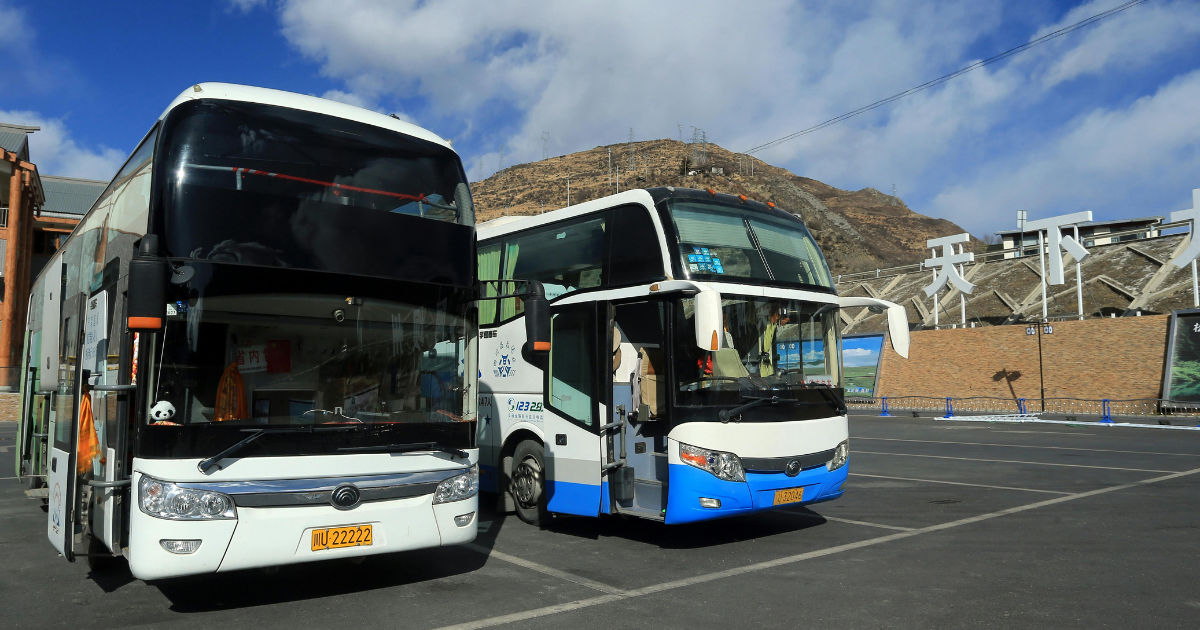
However, the success of any corporate gathering heavily relies on the logistics, and one of the most critical aspects of these logistics is corporate event transportation.
Ensuring that attendees arrive safely, on time, and comfortably can make a significant difference in the overall impression of your event.
In this guide, we will explore best practices for managing corporate event transportation, from planning to execution, ensuring a smooth and stress-free experience for everyone involved.
Understanding the Importance of Corporate Event Transportation
Transportation is more than just moving people from one place to another. In corporate events, it is a reflection of the company's professionalism and attention to detail. A well-organized transportation plan:
-
Ensures punctuality for all attendees.
-
Reduces stress and confusion.
-
Enhances the overall guest experience.
-
Helps maintain a professional brand image.
Neglecting transportation can lead to delays, missed sessions, and frustrated guests, potentially harming the company's reputation.
Planning Corporate Event Transportation
Assessing Event Needs
The first step in organizing transportation is understanding the specific requirements of your event. Consider the following:
-
Number of Attendees: Estimate the total number of guests attending the event. This will determine the type and number of vehicles required.
-
Event Location: Consider the distance, accessibility, and parking facilities at the venue. Some locations may require shuttle services from nearby hotels or transport hubs.
-
Schedule and Timing: Identify peak times and any sessions that require strict timing, ensuring transportation aligns with the event’s agenda.
Accurate planning at this stage helps prevent last-minute confusion and logistical errors.
Budgeting for Transportation
Transportation costs can vary significantly depending on the type of vehicles, distance, and duration of the service. To create an effective budget:
-
Compare different service providers and vehicle options.
-
Include hidden costs such as fuel, tolls, parking fees, and driver gratuity.
-
Allocate funds for emergency transportation needs, such as backup vehicles.
A well-planned budget ensures you can provide high-quality transportation without overspending.
Selecting the Right Transportation Provider
Researching Providers
When hiring a transportation provider for corporate events, reliability is key. Look for companies with:
-
A strong track record of handling corporate events.
-
Positive reviews from past clients.
-
Comprehensive insurance coverage.
-
A variety of vehicle options to meet different guest needs.
Taking the time to research ensures your guests receive a safe and comfortable experience.
Vehicle Options
Different events may require different types of vehicles:
-
Luxury Sedans: Ideal for VIPs and executive attendees.
-
Shuttle Buses: Efficient for transporting large groups between venues or hotels.
-
Minivans or SUVs: Suitable for smaller groups or specialized needs.
Selecting the right vehicle ensures both comfort and efficiency for attendees.
Scheduling and Route Planning
Creating a Transportation Schedule
A detailed transportation schedule is essential for smooth operations. Consider:
-
Arrival and departure times for each group.
-
Buffer times to accommodate traffic delays or unforeseen issues.
-
Coordination with event staff to ensure guests are met promptly.
Sharing this schedule with drivers and event coordinators prevents confusion and missed connections.
Mapping Out Routes
Route planning helps minimize delays and optimize travel time:
-
Use GPS and mapping tools to identify the fastest routes.
-
Consider alternative routes in case of traffic congestion.
-
Factor in stops for pickups, drop-offs, and breaks if necessary.
Efficient route planning reduces stress for both guests and drivers.
Guest Communication
Clear communication with attendees is vital to the success of corporate event transportation.
Providing Detailed Information
Attendees should receive all relevant transportation details before the event, including:
-
Pickup and drop-off times and locations.
-
Contact information for transportation coordinators or drivers.
-
Instructions for special needs or accessibility requirements.
Providing this information ensures guests feel confident and informed.
Using Technology
Digital tools can streamline communication:
-
Event apps or mobile notifications can provide real-time updates.
-
SMS alerts can notify attendees of any schedule changes.
-
Online portals can allow guests to select preferred pickup points or vehicle types.
Leveraging technology improves guest satisfaction and reduces potential confusion.
Safety and Comfort Considerations
Safety Protocols
The safety of attendees should always be a top priority. Implement these measures:
-
Ensure drivers are licensed, trained, and experienced.
-
Conduct vehicle inspections before the event.
-
Provide emergency contacts and procedures for all attendees.
Prioritizing safety reduces liability risks and builds trust with guests.
Comfort Enhancements
Comfortable transportation contributes to a positive event experience:
-
Provide clean, well-maintained vehicles.
-
Offer amenities such as water, Wi-Fi, and charging ports.
-
Ensure temperature control for comfort in varying weather conditions.
Small touches can make a significant difference in guest satisfaction.
Handling Special Circumstances
VIP and Executive Transportation
Executives and VIP attendees often require specialized services:
-
Private sedans or luxury SUVs for discreet and comfortable travel.
-
Personalized pickup and drop-off schedules.
-
Professional chauffeurs trained in etiquette and discretion.
Tailoring transportation for VIPs ensures they feel valued and respected.
Accessibility Needs
Ensure transportation is inclusive and accessible:
-
Provide vehicles equipped for wheelchairs or mobility devices.
-
Offer assistance for attendees with special needs.
-
Communicate accessibility options clearly during registration.
Accessibility planning demonstrates your commitment to all guests.
Last-Minute Changes
Events are dynamic, and last-minute adjustments are sometimes necessary:
-
Maintain backup vehicles for emergencies or delays.
-
Have a clear communication system for notifying guests and staff.
-
Coordinate closely with drivers to implement rapid changes efficiently.
Being prepared for unexpected changes ensures the event runs smoothly.
Coordinating with Event Staff
Transportation should be closely integrated with overall event management:
-
Assign a transportation coordinator to manage schedules, drivers, and guest communications.
-
Ensure coordination with event registration, security, and hospitality teams.
-
Conduct a pre-event briefing to review plans and contingencies.
Strong coordination prevents miscommunication and ensures seamless operations.
Evaluating Transportation Success
After the event, it is essential to evaluate the transportation process:
-
Gather feedback from attendees regarding punctuality, comfort, and overall experience.
-
Review any issues that occurred, such as delays or missed pickups.
-
Use the insights gained to improve future events.
Continuous improvement ensures better planning and execution for subsequent corporate gatherings.
Environmental Considerations
Sustainable transportation practices are increasingly important:
-
Use fuel-efficient or electric vehicles when possible.
-
Encourage carpooling or shuttle services to reduce carbon footprints.
-
Plan routes that minimize unnecessary driving.
Eco-friendly transportation reflects positively on your company’s social responsibility.
Conclusion
Effective corporate event transportation is crucial for the success of any corporate gathering. From planning and budgeting to vehicle selection, scheduling, and guest communication, every detail matters. Prioritizing safety, comfort, and inclusivity ensures a positive experience for all attendees. Additionally, integrating technology, coordinating with event staff, and evaluating performance post-event help refine future transportation strategies.
By following these best practices, companies can provide professional, efficient, and memorable transportation services that enhance the overall success of their events. Thoughtful planning and execution not only improve attendee satisfaction but also reinforce the company’s commitment to excellence and professionalism.
Whether your corporate event involves VIP executives, large groups, or attendees with special needs, careful attention to transportation logistics ensures a seamless and stress-free experience. Ultimately, investing in proper corporate event transportation reflects a company’s dedication to its guests and contributes significantly to the event’s overall impact.