

A Liquid packing machine plays a very important role in modern packaging industries. It is designed to fill and pack different kinds of liquids into bottles, pouches, sachets, and containers with high accuracy and speed.
From food products to chemicals, this machine is used everywhere because it improves efficiency, reduces waste, and ensures consistent packaging quality.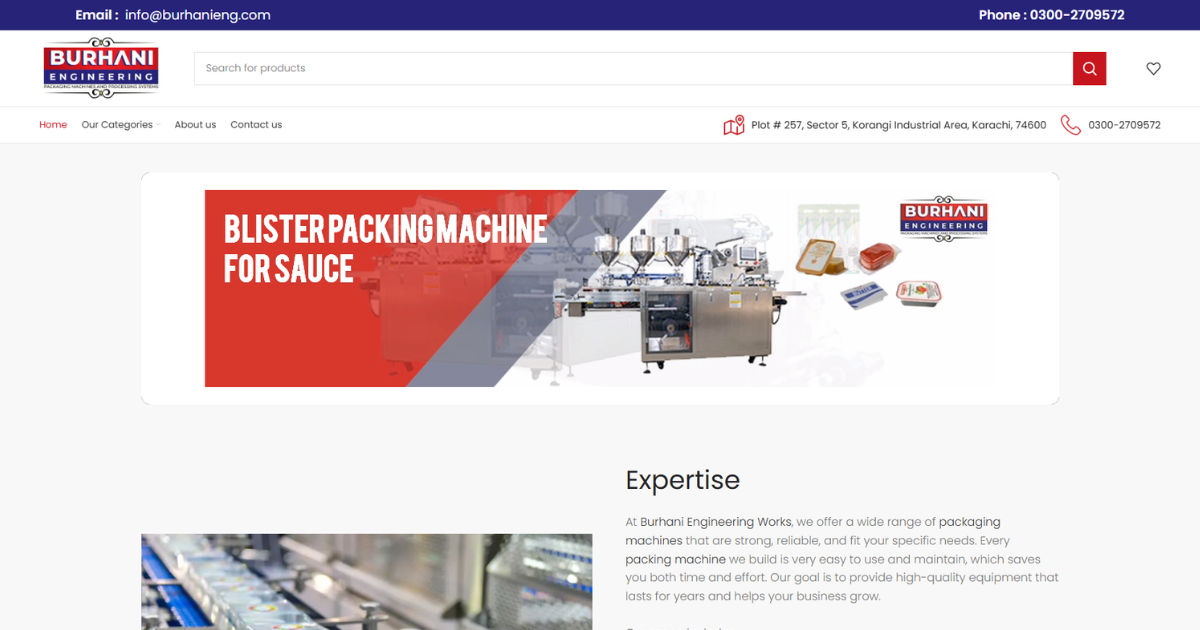
A Liquid packing machine is not limited to one type of liquid. It can handle many categories depending on its design, filling system, and material compatibility.
However, not every liquid behaves the same. Some are thin like water, while others are thick like syrup or paste. Some foam easily, while others are corrosive or sensitive to air exposure.
Understanding what liquids suit a Liquid packing machine is important for industries that want to improve production and maintain product safety.
Choosing the right liquid type ensures smooth operation, prevents machine damage, and improves product quality. In this guide, we will explore all major liquid types, their compatibility, and how a Liquid packing machine handles them efficiently.
Types of Liquids Suitable for Liquid Packing Machine
A Liquid packing machine can handle a wide variety of liquid products, but they are generally categorized based on viscosity, chemical nature, and behavior during filling.
The main types include:
- Water-like liquids
- Medium viscous liquids
- High viscous liquids
- Foamy liquids
- Corrosive liquids
- Oil-based liquids
A Liquid packing machine is engineered with different filling technologies such as piston filling, gravity filling, vacuum filling, and pump filling to handle these variations.
Water-like liquids are the easiest to process in a Liquid packing machine, while thick and corrosive liquids require more advanced systems.
Industries must understand these categories before selecting a Liquid packing machine to ensure smooth production.
Key Factors That Decide Compatibility
Several important factors determine whether a liquid suits a Liquid packing machine. These factors help manufacturers choose the right machine type and settings.
Viscosity Level
Viscosity is the thickness of the liquid. A Liquid packing machine works differently for low, medium, and high viscosity liquids. Thin liquids flow easily, while thick liquids require pressure or piston-based systems.
Chemical Composition
Some liquids contain acids, alcohol, or reactive chemicals. A Liquid packing machine used for such products must be corrosion-resistant and made of stainless steel or special alloys.
Foaming Behavior
Foamy liquids can create air bubbles during filling. A Liquid packing machine must use anti-foam technology or bottom filling methods to avoid errors.
Temperature Sensitivity
Certain liquids change properties with temperature. A Liquid packing machine must maintain stable conditions to preserve quality.
Hygiene Requirements
Food and pharmaceutical liquids require sterile conditions. A Liquid packing machine must follow strict hygiene standards to avoid contamination.
All these factors influence how effectively a Liquid packing machine performs in production lines.
Water-Like Liquids in Liquid Packing Machine
Water-like liquids are the simplest category handled by a Liquid packing machine. These include drinking water, juices, vinegar, and liquid cleaning solutions.
Because they have low viscosity, they flow easily through gravity or overflow filling systems. A Liquid packing machine can process these liquids at high speed with minimal error.
In beverage industries, a Liquid packing machine is commonly used for bottled water and soft drinks. The accuracy is very high, and wastage is minimal.
Even though these liquids are easy to handle, the Liquid packing machine must still ensure hygiene and sealing quality. Any contamination can affect product safety.
A Liquid packing machine used for water-like liquids often includes automatic bottle feeding, filling, and capping systems for efficiency.
Overall, water-like liquids are the most cost-effective and efficient category for a Liquid packing machine.
Viscous Liquids and Their Handling
Viscous liquids are thicker and require more advanced technology in a Liquid packing machine. Examples include honey, shampoo, lotion, oil, syrup, and sauces.
A Liquid packing machine uses piston fillers or pump-based systems to handle these liquids. Gravity filling is not suitable because the flow is too slow.
The challenge with viscous liquids is maintaining consistent volume. A Liquid packing machine solves this by applying controlled pressure during filling.
Food industries rely heavily on a Liquid packing machine for ketchup, mayonnaise, and sauces. Cosmetic industries also depend on it for creams and lotions.
Another important factor is nozzle design. A Liquid packing machine uses anti-drip nozzles to prevent product waste.
Temperature control is also important. Some viscous liquids flow better when slightly heated, so a Liquid packing machine may include heating systems.
Proper calibration ensures that every container receives the exact amount of product. This makes a Liquid packing machine highly reliable for viscous liquids.
Foamy Liquids and Special Challenges
Foamy liquids are tricky to handle in a Liquid packing machine because they create air bubbles during filling. Examples include detergents, shampoos, and some beverages.
If not controlled, foam can lead to inaccurate filling levels. A Liquid packing machine uses bottom-up filling techniques to reduce foam formation.
Slow filling speed is another method used by a Liquid packing machine to maintain stability.
Anti-foam sensors and vacuum systems are sometimes included in advanced machines. These features help a Liquid packing machine maintain precision.
Chemical industries often face foaming challenges when using a Liquid packing machine, so proper setup is essential.
Foamy liquids also require special nozzle designs that reduce turbulence. A well-designed Liquid packing machine ensures smooth flow and consistent output.
Without proper control, foam can reduce production efficiency, but a Liquid packing machine solves this problem effectively.
Corrosive and Chemical Liquids
Corrosive liquids include acids, cleaning chemicals, and industrial solvents. These require a specially designed Liquid packing machine made of resistant materials.
Stainless steel 316 is commonly used in a Liquid packing machine for corrosive products. This prevents rust and damage.
Safety is a major concern when handling such liquids. A Liquid packing machine must have sealed systems to avoid leaks and exposure.
Chemical industries rely on a Liquid packing machine with precise dosing systems to prevent hazardous overfilling.
Automation is important because human contact with corrosive liquids must be minimized. A Liquid packing machine ensures safe and controlled packaging.
Maintenance is also critical. A Liquid packing machine handling corrosive liquids must be cleaned regularly to avoid chemical buildup.
With proper design, a Liquid packing machine can safely handle even strong industrial chemicals.
Hygiene and Safety Requirements
Hygiene is one of the most important aspects of a Liquid packing machine, especially in food and pharmaceutical industries.
A Liquid packing machine must be easy to clean and sterilize. Many machines include CIP (Clean-in-Place) systems for automatic cleaning.
Food-grade materials are essential. A Liquid packing machine must use stainless steel and non-reactive components.
In pharmaceuticals, contamination can be dangerous. A Liquid packing machine ensures sterile filling conditions.
Sealing accuracy is also important. A Liquid packing machine prevents leakage and preserves product freshness.
Regular maintenance ensures long-term hygiene. A Liquid packing machine must be inspected and sanitized frequently.
Without proper hygiene, even the best Liquid packing machine cannot guarantee product safety.
Packaging Materials Used with Liquid Packing Machine
A Liquid packing machine works with various packaging materials such as plastic bottles, glass containers, aluminum pouches, and laminated sachets.
Plastic bottles are the most common because they are lightweight and cost-effective. A Liquid packing machine easily adapts to different bottle sizes.
Glass containers are used for premium products like oils and juices. A Liquid packing machine must handle them carefully to avoid breakage.
Pouches and sachets are widely used in developing markets. A Liquid packing machine can produce small, single-use packs efficiently.
Each material requires different sealing techniques. A Liquid packing machine adjusts temperature and pressure for proper sealing.
Flexibility is one of the biggest advantages of a Liquid packing machine in modern industries.
Industries Using Liquid Packing Machine
Many industries depend on a Liquid packing machine for production and packaging.
Food and beverage industries use it for water, juice, milk, sauces, and oils. A Liquid packing machine ensures fast and hygienic packaging.
The cosmetic industry uses it for shampoos, lotions, and creams. A Liquid packing machine provides accurate dosing for premium products.
Pharmaceutical companies rely on it for syrups, disinfectants, and liquid medicines. A Liquid packing machine ensures safety and precision.
Chemical industries use it for cleaning agents and industrial liquids. A Liquid packing machine improves safety and efficiency.
Even agriculture uses a Liquid packing machine for fertilizers and pesticides.
Its versatility makes a Liquid packing machine essential across multiple sectors.
Common Mistakes in Using Liquid Packing Machine
Operators sometimes make mistakes that reduce the efficiency of a Liquid packing machine.
One common mistake is ignoring viscosity settings. A Liquid packing machine must be adjusted for each product type.
Another issue is poor cleaning. If not maintained, a Liquid packing machine can cause contamination.
Wrong nozzle selection also affects performance. A Liquid packing machine requires the correct nozzle for each liquid type.
Overloading speed can reduce accuracy. A Liquid packing machine should run at recommended settings.
Ignoring safety guidelines can damage both the product and the machine. Proper training ensures a Liquid packing machine runs efficiently.
Avoiding these mistakes improves performance and extends machine life.
Conclusion
A Liquid packing machine is a highly versatile and essential tool in modern manufacturing. It can handle a wide range of liquids, from thin water-like solutions to thick viscous products and even corrosive chemicals.
The suitability of liquids depends on factors such as viscosity, chemical composition, foaming behavior, and hygiene requirements. A Liquid packing machine is designed with advanced technology to manage all these challenges effectively.
Industries like food, beverage, cosmetics, pharmaceuticals, and chemicals rely heavily on a Liquid packing machine for safe, fast, and accurate packaging.
Choosing the right liquid type and machine configuration ensures smooth production, reduces waste, and improves product quality. With proper maintenance and correct usage, a Liquid packing machine can deliver long-term reliability and efficiency.
In today’s competitive market, a Liquid packing machine is not just a tool but a necessity for consistent and scalable production.