

Coloring for stress relief is one of the simplest and most accessible ways to calm your mind, reduce anxiety, and improve focus.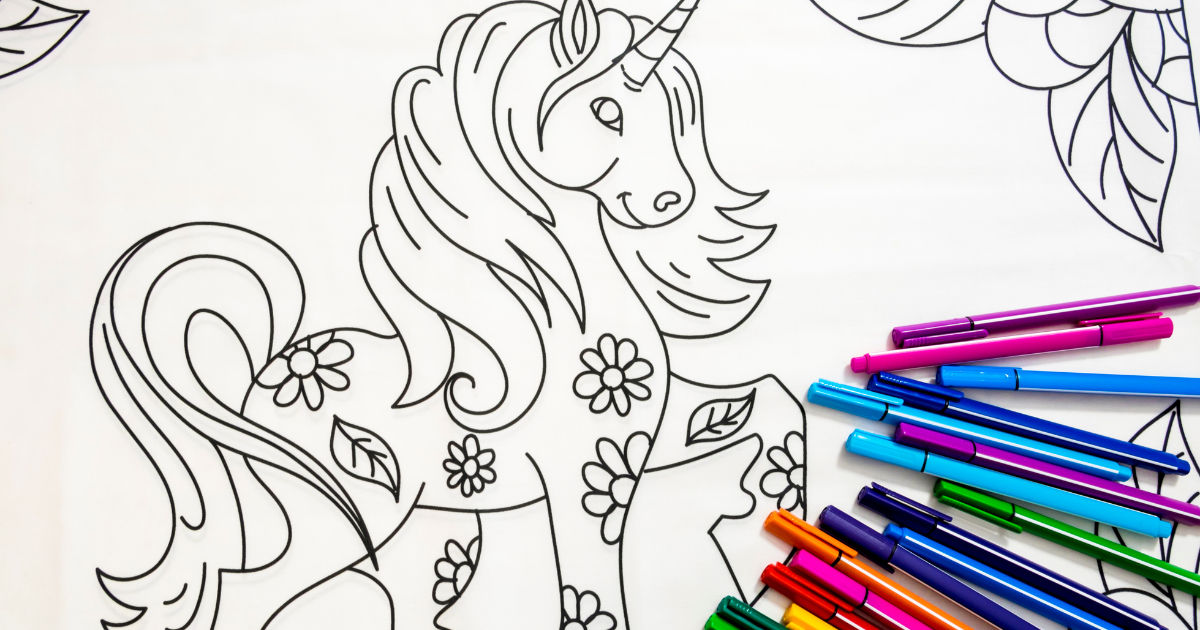
Coloring for stress relief works because it allows your brain to slow down and shift attention away from worries. Many people are surprised at how effective coloring for stress relief can be, even when they only spend a few minutes a day on it.
This guide will help you understand how to start from zero, what materials you need, and how to turn a simple activity into a powerful daily habit for mental calmness. You do not need artistic talent. You only need consistency and a willingness to relax.
Why Coloring Helps the Mind Relax
The science behind calmness
When you engage in coloring for stress relief, your brain enters a meditative state. This happens because repetitive, simple actions reduce mental overload. Instead of worrying about the past or future, your attention focuses on shapes, patterns, and colors.
Studies in psychology show that structured creative activities can lower cortisol levels, which is the hormone responsible for stress. This is why coloring for stress relief is often compared to mindfulness meditation.
Mental distraction from stress
Stress usually comes from overthinking. Coloring for stress relief interrupts that cycle by giving your mind a safe, low-pressure task. You are not solving problems or making decisions. You are simply choosing colors and filling shapes.
Even 10–15 minutes of coloring for stress relief can reset your emotional state and improve your mood.
Emotional balance and expression
Colors also have emotional effects. Warm colors may energize you, while cool colors may calm you. Through coloring for stress relief, you indirectly express emotions without words, which helps release tension.
Getting Started: What You Need
Basic materials
You do not need expensive tools to begin coloring for stress relief. A simple setup is enough:
- Printed coloring pages or a coloring book
- Colored pencils or crayons
- A quiet space
The goal of coloring for stress relief is not perfection but relaxation.
Choosing the right tools
Colored pencils are often best for beginners because they offer control. Crayons are more relaxed and playful. Markers can be used for bold effects.
Whatever you choose, remember that coloring for stress relief is about comfort, not artistic skill.
Creating your space
A calm environment improves results. Sit in a comfortable chair, reduce distractions, and keep lighting soft. When your space feels peaceful, coloring for stress relief becomes more effective.
Choosing Coloring Pages for Beginners
Start simple
Begin with easy patterns. Mandalas, flowers, and geometric shapes are ideal for coloring for stress relief because they are repetitive and predictable.
Avoid overly complex designs at the beginning. Simplicity helps your brain relax faster during coloring for stress relief sessions.
Themes that reduce stress
Some themes are especially calming:
- Nature (trees, leaves, oceans)
- Abstract patterns
- Symmetrical designs
These are commonly used in coloring for stress relief because they help the mind focus without pressure.
Digital vs printed pages
Both digital and printed formats work. However, many people prefer printed pages for coloring for stress relief because they feel more tactile and disconnect from screens.
Step-by-Step Guide to Start Coloring
Step 1: Set your intention
Before starting, take a deep breath and remind yourself that coloring for stress relief is not about perfection. Your goal is relaxation, not performance.
Step 2: Choose your design
Pick a page that feels comfortable. Do not overthink it. Simple decisions support the purpose of coloring for stress relief.
Step 3: Select your colors
Choose 3–6 colors to start. Too many choices can overwhelm you. Limiting options enhances coloring for stress relief benefits.
Step 4: Begin coloring slowly
Start filling shapes gently. Focus on movement and texture. This slow rhythm is what makes coloring for stress relief powerful.
Step 5: Observe your thoughts
If your mind wanders, gently bring it back. This awareness is part of coloring for stress relief and helps build mindfulness.
Step 6: Finish without pressure
There is no rule that you must complete the page. Even partial work counts as successful coloring for stress relief.
Techniques to Improve Relaxation
Repetitive patterns
Repeating the same color pattern across shapes increases calmness. Many people use this technique in coloring for stress relief to create rhythm.
Color breathing method
Try syncing your breathing with coloring strokes. Inhale, choose a color. Exhale, fill a shape. This enhances coloring for stress relief by combining mindfulness and creativity.
Gradient coloring
Blend light to dark shades within a shape. This technique deepens focus during coloring for stress relief sessions.
Slow hand movement
Slow coloring improves attention and reduces anxiety. The slower you go, the stronger the effect of coloring for stress relief becomes.
Building a Daily Coloring Habit
Start small
Begin with 10 minutes a day. Consistency matters more than duration in coloring for stress relief.
Set a routine
Pick a fixed time—morning, afternoon, or night. Regular practice improves the impact of coloring for stress relief.
Use it as a break tool
Instead of scrolling your phone, use coloring as a break activity. This replacement habit strengthens coloring for stress relief results.
Track your mood
Notice how you feel before and after. Many people find that coloring for stress relief improves emotional stability over time.
Common Mistakes to Avoid
Overthinking design choices
Many beginners spend too much time choosing colors. This reduces the benefit of coloring for stress relief. Keep it simple.
Expecting perfection
There is no “perfect” result in coloring for stress relief. It is about process, not appearance.
Using too many tools
Too many materials can distract you. Simplicity supports coloring for stress relief better.
Rushing through pages
Speed reduces mindfulness. Slow down to fully experience coloring for stress relief benefits.
Advanced Tips for Deeper Relaxation
Combine with music
Soft instrumental music enhances coloring for stress relief by creating a peaceful environment.
Use scent therapy
Lavender or sandalwood candles can increase calmness during coloring for stress relief sessions.
Try themed sessions
Focus on a theme like “nature night” or “mandala morning” to deepen your coloring for stress relief practice.
Practice gratitude while coloring
Think of one positive thing in your life while engaging in coloring for stress relief. This improves emotional well-being.
Digital Coloring vs Traditional Coloring
Digital coloring
Apps offer convenience and variety. You can undo mistakes easily, making coloring for stress relief less stressful for beginners.
Traditional coloring
Paper-based coloring is more tactile and immersive. Many people prefer it for coloring for stress relief because it reduces screen time.
Which is better?
Both are effective. The best choice depends on your comfort. The key is consistency in coloring for stress relief, not the format.
How Coloring Fits Into Stress Management
A mindfulness practice
Coloring for stress relief works similarly to meditation. It trains attention and reduces mental clutter.
A healthy coping tool
Instead of unhealthy habits like overthinking or doom scrolling, coloring for stress relief provides a productive alternative.
A creative outlet
Even if you are not artistic, coloring for stress relief helps you express creativity in a simple way.
Conclusion
Starting a habit of coloring for stress relief does not require skill, money, or preparation. It only requires time and willingness to slow down. Coloring for stress relief helps you disconnect from stress, reconnect with yourself, and build calmness in everyday life.
When practiced regularly, coloring for stress relief becomes more than just an activity—it becomes a form of self-care. It teaches patience, improves focus, and encourages mindfulness in a natural way. Even a few minutes of coloring for stress relief can create noticeable emotional benefits.
If you are feeling overwhelmed, try starting small. Pick a simple page, choose a few colors, and begin your journey. Over time, coloring for stress relief can become a reliable tool for maintaining mental balance and emotional wellness.
By making it part of your daily routine, coloring for stress relief can support long-term stress reduction and improve your overall quality of life.