

Embroidery has always been a central element in the evolution of pakistani dresses, shaping how people express culture, identity, and personal style. From casual wear to wedding outfits, detailed needlework transforms simple fabrics into artistic creations.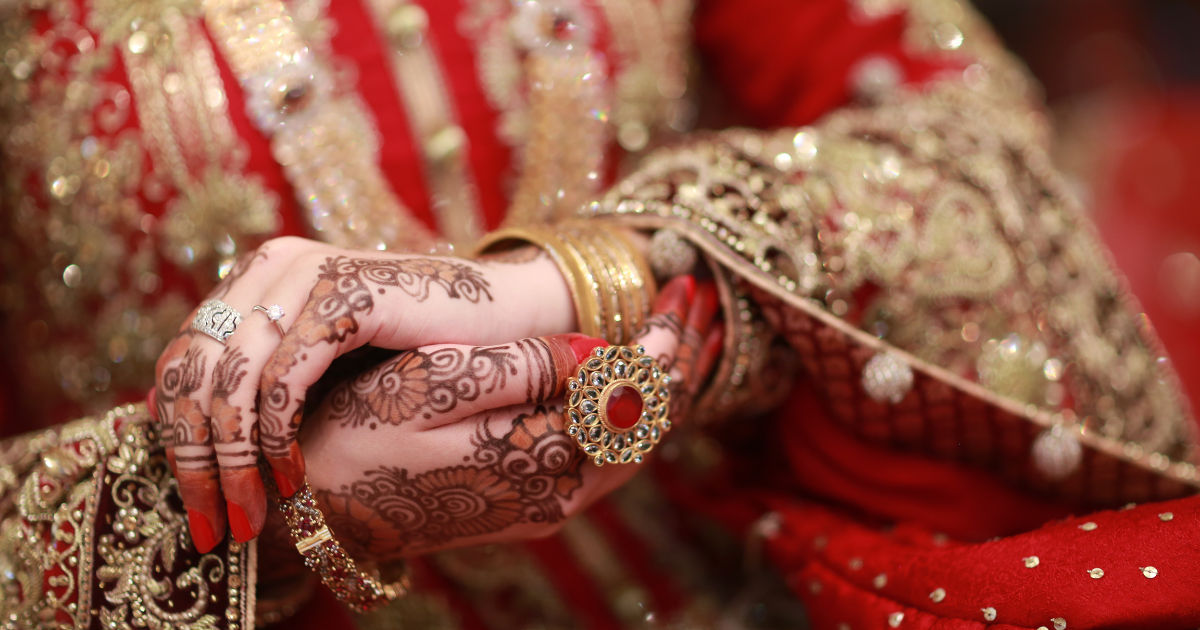
In many regions, embroidery is not just decoration; it tells stories about heritage, traditions, and craftsmanship.
Today, pakistani dresses continue to gain global attention because of their intricate embroidery patterns and unique textures. Designers mix traditional methods with modern trends, creating outfits that feel both timeless and fresh.
This guide explains how embroidery enhances pakistani dresses, why it matters culturally, and how it influences modern fashion choices.
The Cultural Roots of Embroidery
Historical Background
Embroidery has existed in South Asia for centuries. Early artisans used hand stitching to decorate fabrics worn during festivals and special ceremonies. Over time, different regions developed unique styles, each influencing how pakistani dresses are designed today.
For example, Sindhi mirror work, Kashmiri thread embroidery, and Punjabi phulkari all reflect local traditions. These styles give pakistani dresses a cultural depth that goes beyond fashion trends. When someone wears an embroidered outfit, they carry a piece of history with them.
Symbolism and Meaning
Embroidery patterns often symbolize nature, prosperity, or celebration. Floral motifs, geometric shapes, and paisley designs frequently appear on pakistani dresses, representing beauty and continuity. Even color choices can hold meaning, such as red for weddings or green for festive occasions.
Because of these symbolic elements, embroidered pakistani dresses are often passed down through generations as treasured keepsakes.
Types of Embroidery Used in Pakistani Fashion
Hand Embroidery Techniques
Hand embroidery is highly valued because of its precision and uniqueness. Each stitch reflects the artisan’s skill and patience. Techniques like zardozi, aari work, and chikankari are commonly used to elevate pakistani dresses.
Zardozi involves metallic threads and beads, making outfits suitable for weddings. Aari work uses a hooked needle to create fine patterns that enhance modern pakistani dresses without making them too heavy.
Machine Embroidery Innovations
While hand embroidery remains popular, machine embroidery has made pakistani dresses more accessible. Advanced machines can replicate complex designs quickly, reducing production time and cost.
This allows everyday wear collections to include detailed embroidery while remaining affordable. Many designers combine machine work with hand finishing to keep pakistani dresses stylish and practical.
How Embroidery Enhances Fabric and Texture
Adding Depth and Dimension
Embroidery gives flat fabric a three-dimensional look. Threads, beads, and sequins create layers that catch light and movement. This added depth makes pakistani dresses visually appealing from every angle.
Soft fabrics like chiffon or lawn become more luxurious when decorated with subtle embroidery. Even simple cotton pakistani dresses can look elegant with carefully placed motifs.
Improving Durability
Besides beauty, embroidery can strengthen certain areas of clothing. Reinforced stitching along necklines or sleeves helps pakistani dresses maintain their shape over time. This functional aspect is one reason embroidery remains popular across generations.
Embroidery and Regional Identity
Sindhi Embroidery Influence
Sindhi embroidery often features mirror work and bold colors. These vibrant details bring energy to traditional pakistani dresses, especially during cultural festivals. The reflective mirrors also symbolize protection and positivity.
Kashmiri Craftsmanship
Kashmiri embroidery is known for delicate floral patterns. The soft, detailed designs add sophistication to winter shawls and formal pakistani dresses. Many international designers admire Kashmiri techniques for their elegance.
Punjabi Phulkari Style
Phulkari embroidery uses bright threads arranged in geometric patterns. This style adds a lively feel to dupattas and casual pakistani dresses, making them perfect for celebrations like mehndi events.
Role of Embroidery in Formal Wear
Bridal Fashion
Embroidery plays a major role in bridal pakistani dresses. Heavy zardozi, pearls, and intricate motifs create a royal look. Brides often choose outfits with detailed handwork to make their special day memorable.
The layers of embroidery not only enhance appearance but also highlight craftsmanship. Each bridal piece shows how traditional techniques keep pakistani dresses timeless.
Festive and Party Wear
Festivals such as Eid encourage people to wear embroidered outfits. Light embellishments make festive pakistani dresses feel special without being uncomfortable. Designers often use pastel threads, sequins, and lace to balance elegance and comfort.
Embroidery in Everyday Fashion
Casual Lawn Collections
Modern lawn collections frequently include subtle embroidery. These breathable pakistani dresses are designed for daily wear while still reflecting cultural style. Small motifs around the neckline or sleeves make outfits look refined.
Office and Semi-Formal Wear
Minimal embroidery adds professionalism to workwear. Many office-friendly pakistani dresses feature neutral colors with delicate threadwork, creating a polished yet modest appearance.
The Impact of Color and Thread Choices
Color Coordination
Embroidery allows designers to experiment with color combinations. Contrasting threads can highlight patterns, while matching shades create a softer look. This flexibility helps pakistani dresses appeal to different age groups.
Metallic Threads and Embellishments
Gold and silver threads bring glamour to evening wear. These elements transform simple silhouettes into luxurious pakistani dresses suitable for formal gatherings.
Modern Trends in Embroidered Fashion
Fusion Styles
Younger audiences enjoy fusion fashion that blends Western cuts with traditional embroidery. Jackets, capes, and long shirts with stitched details show how pakistani dresses evolve with global trends.
Sustainable Fashion Movement
Many designers now focus on sustainable embroidery techniques. Handcrafted pakistani dresses made with natural dyes and ethical labor practices are becoming more popular among conscious consumers.
How Embroidery Influences Personal Style
Expression of Identity
People often choose embroidery styles that reflect their personality. Bold patterns make a statement, while minimal stitching creates a subtle look. Because of this variety, pakistani dresses suit different tastes and occasions.
Confidence and Elegance
Wearing embroidered clothing can boost confidence. The detailed craftsmanship makes pakistani dresses feel unique, helping individuals stand out while staying connected to tradition.
Choosing the Right Embroidery for Different Occasions
Light Embroidery for Daytime
Day events call for breathable fabrics with simple designs. Soft threadwork keeps pakistani dresses comfortable while maintaining elegance.
Heavy Embroidery for Evening Events
Evening occasions often feature rich textures and layered stitching. These elaborate pakistani dresses shine under artificial lighting, creating a dramatic effect.
Caring for Embroidered Outfits
Proper Washing Techniques
To maintain quality, embroidered pakistani dresses should be washed gently. Hand washing or dry cleaning prevents threads from loosening.
Storage Tips
Storing outfits in breathable garment bags protects delicate stitching. Folding heavy pakistani dresses carefully helps preserve their shape and design.
The Economic Importance of Embroidery
Embroidery supports thousands of artisans across Pakistan. Skilled workers contribute to the success of fashion brands by producing beautiful pakistani dresses that attract both local and international buyers.
The global demand for embroidered clothing has helped small businesses grow. As exports increase, traditional crafts continue to thrive, ensuring that future generations appreciate the beauty of pakistani dresses.
Digital Media and Global Recognition
Social media platforms have played a big role in promoting embroidered fashion. Influencers and designers showcase new collections, helping pakistani dresses reach audiences worldwide. Online stores allow customers from different countries to explore traditional styles without traveling.
Fashion weeks and exhibitions also highlight embroidery as a key feature. These events prove that pakistani dresses can compete with international couture through detailed craftsmanship.
The Future of Embroidery in Pakistani Fashion
Technology continues to influence design processes. Digital pattern making and advanced sewing machines make it easier to create innovative pakistani dresses. However, many designers still value handwork because it adds authenticity.
Young designers are experimenting with new textures, combining traditional stitches with modern silhouettes. This balance ensures that embroidered pakistani dresses remain relevant in the changing fashion industry.
Conclusion
Embroidery enhances clothing by adding texture, color, and cultural meaning. It transforms simple fabrics into expressive works of art, making pakistani dresses more than just garments. From bridal wear to everyday outfits, embroidered details bring personality and elegance to fashion.
As trends evolve, the essence of embroidery continues to define the identity of pakistani dresses. Whether created by hand or machine, each stitch reflects creativity and heritage. By understanding the history, techniques, and modern innovations behind embroidery, anyone can appreciate why it remains a powerful part of Pakistani fashion.
In the future, sustainable practices and digital tools will shape how designers create new styles. Yet the emotional connection people feel when wearing embroidered pakistani dresses will always keep this tradition alive. The blend of culture, craftsmanship, and modern design ensures that embroidered fashion remains timeless, meaningful, and admired around the world.