

Pesarattu dosa is a delicious and healthy breakfast option that originates from the state of Andhra Pradesh, India. If you are looking for a nutritious start to your day, this green gram-based dosa is perfect.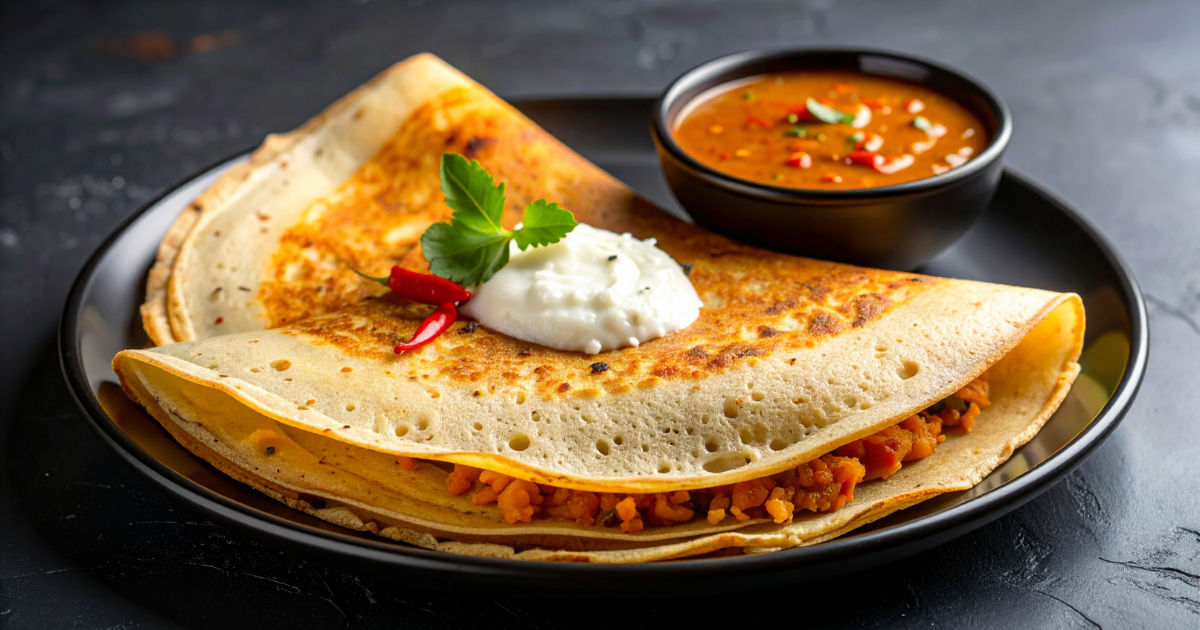
Known for its light texture and high protein content, pesarattu is an excellent alternative to the regular rice dosa.
For those who love exploring flavors, Mirchili Karachi serves some of the best versions of this dish, making it a must-try for breakfast enthusiasts.
What is Pesarattu Dosa?
Pesarattu dosa is made primarily from green gram, also known as moong dal. Unlike traditional dosas, which are made with rice and urad dal, this dosa is prepared using soaked green grams, spices, and sometimes a bit of rice for crispiness. It is naturally gluten-free and high in protein, making it suitable for a healthy diet.
This dish is widely consumed in Andhra Pradesh and Telangana but has gained popularity across India and in international Indian restaurants. The texture is slightly different from regular dosa—it is softer and thinner, yet crunchy at the edges.
Health Benefits of Pesarattu
One of the biggest advantages of pesarattu dosa is its nutritional value. Green gram is packed with essential nutrients.
-
High Protein Content: Green gram is an excellent source of plant-based protein. This makes pesarattu dosa a perfect breakfast for vegetarians and those looking to maintain muscle mass.
-
Rich in Fiber: The fiber content aids in digestion and keeps you full for longer periods, reducing mid-morning cravings.
-
Low Glycemic Index: Unlike rice-based dosas, pesarattu releases energy slowly, helping maintain blood sugar levels.
-
Vitamins and Minerals: Green gram is rich in vitamins like B-complex and minerals such as iron, magnesium, and potassium, which support overall health.
When served with chutneys or ginger chutney, which is popular in Mirchili Karachi, the meal becomes even more nutritious and flavorful.
Ingredients Needed for Pesarattu
To make authentic pesarattu dosa at home, you will need the following ingredients:
-
Green gram (moong dal) – 1 cup
-
Rice (optional, for crispiness) – 2 tablespoons
-
Green chilies – 2-3 (adjust according to taste)
-
Ginger – 1-inch piece
-
Cumin seeds – ½ teaspoon
-
Salt – to taste
-
Water – as needed for batter
-
Oil – for cooking
Some variations include adding onions, coriander leaves, or curry leaves to enhance flavor. Mirchili Karachi often adds finely chopped onions inside the dosa for extra taste and crunch.
How to Prepare Pesarattu Batter
Making the batter is a crucial step for a perfect pesarattu dosa. Follow these steps carefully:
-
Soaking: Wash and soak the green gram in water for 4-6 hours. If using rice, soak it along with green gram.
-
Grinding: Drain the soaked green gram and rice. Grind them with green chilies, ginger, cumin seeds, and a little water to form a smooth batter. The consistency should be slightly thick but pourable.
-
Resting: Let the batter rest for 30 minutes. This helps in fermentation slightly, making the dosa softer and easier to cook.
Cooking Pesarattu Dosa
Cooking pesarattu requires attention to heat and timing. Here’s a step-by-step guide:
-
Preheat the Pan: Use a non-stick tawa or cast-iron skillet and preheat it over medium heat.
-
Pouring the Batter: Pour a ladleful of batter in the center and spread it in a circular motion to form a thin pancake.
-
Adding Oil: Drizzle a few drops of oil around the edges for a crispier texture.
-
Cooking: Let it cook for 2-3 minutes or until the edges turn golden brown. Flip the dosa if needed, though many prefer to cook it only on one side.
-
Serving: Serve hot with ginger chutney, coconut chutney, or sambar.
Mirchili Karachi often serves pesarattu dosa with a spicy ginger chutney, which perfectly complements the mild flavor of green gram.
Variations of Pesarattu
Pesarattu can be customized according to taste and preferences. Some popular variations include:
-
Upma Pesarattu: A traditional version where the dosa is stuffed with upma, making it more filling.
-
Onion Pesarattu: Finely chopped onions are added on top while cooking, giving extra crunch and flavor.
-
Cheese Pesarattu: For a modern twist, grated cheese is added inside the dosa, which melts and enhances taste.
-
Sprouted Green Gram Dosa: Using sprouted moong dal makes the dosa even healthier and easier to digest.
Restaurants like Mirchili Karachi often offer these variations to cater to different tastes while maintaining the authenticity of the dish.
Serving Suggestions
Pesarattu dosa is versatile and pairs well with a variety of accompaniments. Some classic options include:
-
Ginger Chutney: The spicy, tangy flavor of ginger chutney balances the mild dosa.
-
Coconut Chutney: Smooth coconut chutney adds creaminess and a slightly sweet taste.
-
Sambar: A bowl of lentil-based sambar makes the meal more filling and nutritious.
-
Pickles: Indian pickles, especially tangy ones, add an extra zing.
In Mirchili Karachi, pesarattu is often served with ginger chutney, making it a breakfast favorite for locals and visitors alike.
Tips for Perfect Pesarattu
To make sure your pesarattu dosa comes out perfectly every time, keep these tips in mind:
-
Always soak green gram adequately to make grinding easier.
-
Use a non-stick pan or well-seasoned cast-iron skillet for even cooking.
-
Adjust the batter consistency; it should be neither too thick nor too thin.
-
Cook on medium heat to avoid burning and to achieve golden brown edges.
-
Add chopped onions or herbs just before the dosa is cooked for freshness and flavor.
Following these tips will help you replicate the delicious taste similar to what Mirchili Karachi offers.
Why Choose Pesarattu for Breakfast
Pesarattu is not just tasty but also a practical breakfast choice.
-
Energy Boosting: The protein and complex carbs provide sustained energy for the morning.
-
Digestive Health: Fiber content promotes healthy digestion.
-
Weight Management: High protein and low-fat content make it ideal for weight-conscious individuals.
-
Versatile and Quick: Once the batter is ready, making the dosa takes only a few minutes.
With all these benefits, it’s no surprise that restaurants like Mirchili Karachi keep this dish on their breakfast menu.
Pesarattu in Indian Cuisine
Pesarattu has a special place in Indian cuisine. Though it originates from Andhra Pradesh, its popularity has spread to other regions due to its nutritional benefits and unique taste. It is often served at festivals, special occasions, and breakfast tables across southern India.
In addition to home kitchens, many restaurants internationally have started offering pesarattu to cater to health-conscious diners. The dish is appreciated not only for its flavor but also for its wholesome ingredients.
Comparing Pesarattu with Regular Dosa
It’s important to understand how pesarattu differs from traditional dosa:
-
Main Ingredient: Pesarattu uses green gram while regular dosa uses rice and urad dal.
-
Protein Content: Pesarattu is higher in protein, making it more suitable for vegetarians.
-
Digestibility: Easier to digest than rice-based dosas.
-
Flavor: Slightly nutty and earthy flavor compared to the mild taste of regular dosa.
-
Cooking Time: Slightly quicker to cook because it is thinner and does not require fermentation like traditional dosa.
Many health-conscious diners prefer pesarattu over regular dosa because it provides more nutrients without compromising taste.
Storing and Reusing Pesarattu Batter
If you make a large batch of batter, it can be stored safely in the refrigerator:
-
Refrigeration: Keep the batter in an airtight container for up to 2 days.
-
Freezing: You can freeze the batter for up to a week. Thaw it in the fridge before use.
-
Consistency Check: Stir the batter before making dosa as it may thicken in the fridge.
Restaurants like Mirchili Karachi prepare batter in bulk but maintain its freshness by using proper storage techniques.
Common Mistakes to Avoid
When making pesarattu dosa, avoid these common mistakes:
-
Too Thick or Too Thin Batter: Can lead to uneven cooking or tearing.
-
High Heat: Cooking on high flame may burn the dosa.
-
Skipping Oil: A few drops of oil help the edges crisp up.
-
Not Resting the Batter: Resting improves texture and makes spreading easier.
Being mindful of these points ensures your dosa turns out golden brown and delicious every time.
Exploring Pesarattu Outside India
Pesarattu dosa has made its mark internationally, especially in cities with a large Indian diaspora. Many Indian restaurants, including Mirchili Karachi, have introduced pesarattu as a healthy breakfast option. Its global appeal lies in its nutritional benefits and unique taste, which appeals to both vegetarians and health-conscious individuals.
Conclusion
Pesarattu dosa is more than just a breakfast dish; it is a healthy, protein-packed, and flavorful start to the day. Its unique preparation using green gram, easy digestibility, and nutritional benefits make it a preferred choice for many. Whether enjoyed plain, with ginger chutney, or stuffed with upma, this dosa never fails to impress.
Restaurants like Mirchili Karachi have perfected the art of preparing pesarattu, maintaining its authentic taste while catering to modern tastes. By following the tips, ingredient guidelines, and preparation steps outlined in this guide, you can easily recreate this traditional Indian delicacy in your own kitchen.
For anyone seeking a wholesome, tasty, and energizing breakfast, pesarattu dosa is the ultimate choice. Its versatility and health benefits ensure it remains a favorite for years to come.