

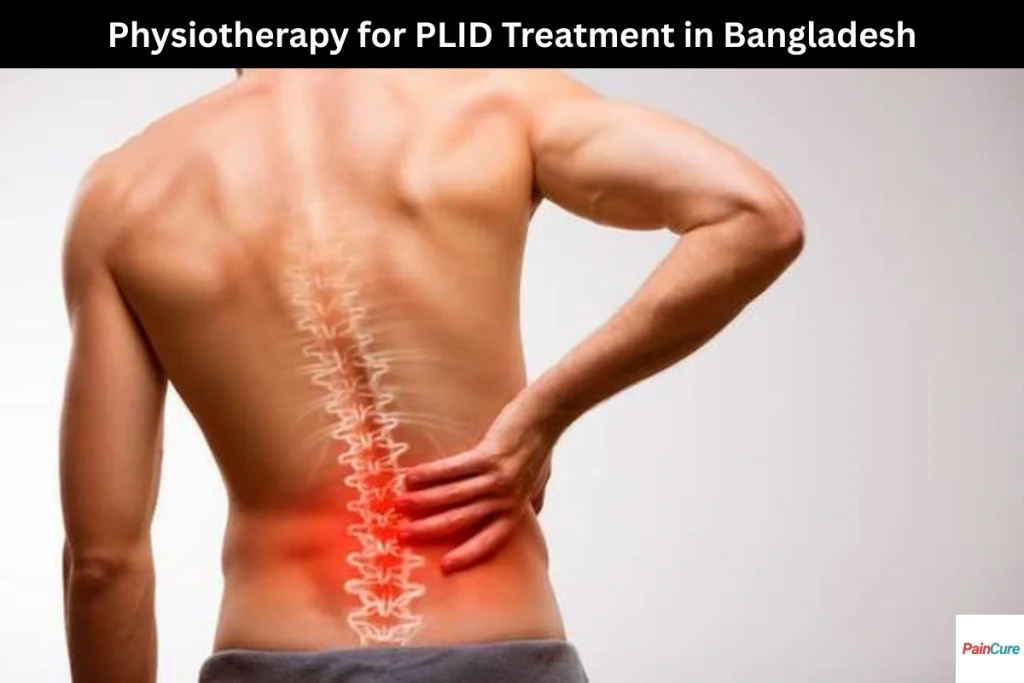
PLID(Prolapsed Lumbar Intervertebral Disc) is one of the most commons spinal anesthesia disorders, often referred to as a slipped disc. It occurs when the soft, gel-like focus on of a spinal anesthesia disc(nucleus pulposus) bulges or ruptures through the tough outward level(annulus fibrosus). This can constrict nigh spinal nerves, leading to pain, apathy, and impuissance, especially in the lower back and legs.
Although What is PLID Disease is a patronise cause of back pain intercontinental, many people are unaware of its seriousness and delay seeking medical checkup handling. Early diagnosing and specific direction can prevent complications and better tone of life.
Causes of PLIDClosebol
dSeveral factors can put up to the of PLID, including:
- Aging and retrogression: Natural wear and tear weakens spinal discs over time.
Sudden wound: Lifting heavily objects wrongly or unforeseen trauma to the thorn.
Poor pose: Prolonged sitting in an unsuitable put over or unerect.
Obesity: Excess body slant adds try on spinal anesthesia discs.
Repetitive strain: Repeated bending, spin, or energetic natural science activity.
Genetic factors: Some individuals may have a high genic risk of disc problems.
Symptoms of PLIDClosebol
dThe symptoms vary depending on the locating and rigorousness of the disc prolapse. Common signs admit:
- Low back pain that may ray to the keister and legs.
Sciatica: Sharp, shooting pain that travels down the leg.
Numbness or tingling in the lour limbs.
Muscle weakness in the legs or feet.
Difficulty standing or walking due to steel compression.
In terrible cases, loss of vesica or gut control(a medical examination emergency).
Diagnosis of PLIDClosebol
dA doctor may recommend the following symptomatic tests to confirm PLID:
- Physical testing: To check reflexes, musculus potency, and steel go.
X-ray: To rule out bone problems.
MRI(Magnetic Resonance Imaging): The most precise test for detective work disc prolapse and steel compression.
CT scan: Sometimes used for careful imaging of spinal structures.
Treatment of PLIDClosebol
dThe treatment plan depends on the severeness of the . It can be multilane into non-surgical and surgical methods.
1. Non-Surgical Treatment:Closebol
d
- Rest and life style modification.
Pain-relieving medications and anti-inflammatory drugs.
Physiotherapy and stretch exercises.
Epidural steroid hormone injections for redness and pain relief.
Use of lumbar support belts.
2. Surgical Treatment:If conservativist treatments fail or the symptoms decline, surgical proces may be necessary. Common postoperative procedures include:
- Discectomy: Removal of the herniated assign of the disc.
Laminectomy: Removal of part of the vertebra to unbosom pressure.
Minimally offensive spine surgical operation: Smaller incisions with quicker retrieval.
Prevention of PLIDClosebol
dTo tighten the risk of developing PLID, watch over these preventive measures:
- Maintain good pose while seance, regular, and lifting.
Exercise regularly to strengthen back and core muscles.
Maintain a healthy angle to tighten try on the prickle.
Avoid elongated session or regular in one set.
Use specific techniques when lifting heavily objects.
ConclusionClosebol
dPLID is a irritating and potentially disqualifying , but with apropos diagnosing and specific handling, most patients can recover and lead a normal life. Maintaining a healthy lifestyle, practicing pose, and seeking medical examination care at the soonest signs of back pain can significantly tighten the risk of complications.