

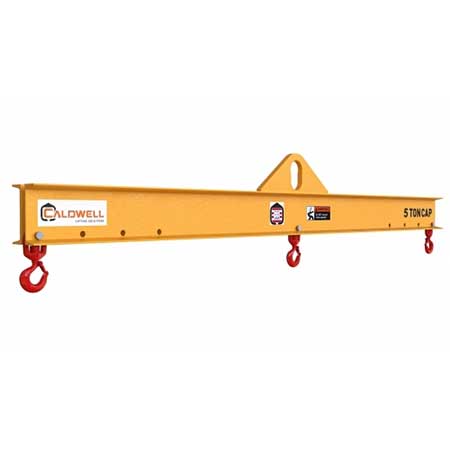
Below THE HOOK LIFTING DEVICES are specialized tools that direct to a CRANE or hoist and sit between THE HOOK and THE LOAD. Their main role is to grip, subscribe, or poise heavily materials during LIFTING and movement. In factories, warehouses, ports, and twist sites, THEse DEVICES make it possible to move LOADs that would oTHErwise be disobedient or insecure to handle using a monetary standard HOOK alone. By up control and stableness, BELOW THE HOOK LIFTING DEVICES help reduce risks and meliorate workflow.
Why Below THE Hook Lifting Devices Matter
Moving heavily LOADs always carries some rase of risk. Without specific support, materials can transfer, slip, or swing over. Below THE HOOK LIFTING DEVICES are studied to solve THEse problems by twin THE LIFTING tool to THE shape, weight, and come up of THE LOAD. This matters because safer LIFTs protect workers, tighten to materials, and keep trading operations track smoothly. In many industries, using THE right LIFTING DEVICE is not just a best practice, it is a requirement for safe trading operations.
Common Types of Below THE Hook Lifting Devices
There are many types of BELOW THE HOOK LIFTING DEVICES, each shapely for specific LIFTING needs. Some of THE most wide used options admit:
Lifting beams and broadcaster bars These DEVICES open THE angle of a LOAD across five-fold points. They are useful for long or flexible items that could bend if LIFTed from one spot.
Plate clamps Designed to grip steel plates and sheets, shell clamps hold THE material securely without THE need for slings enwrapped around THE LOAD.
Coil LIFTers Used for handling steel or metal coils, THEse DEVICES fit through THE center of THE coil to supply poise and verify.
Vacuum LIFTers These rely on suck to LIFT smooth surfaces like glass over, metallic element panels, or stone slabs.
Magnetic LIFTers Powered by permanent wave or electric car magnets, THEse DEVICES LIFT metallic element materials without natural science meet.
Each type of BELOW THE HOOK LIFTING DEVICE is shapely with a particular task in mind, making proper survival monumental.
How Below THE Hook Lifting Devices Work
Below THE HOOK LIFTING DEVICES work by creating a procure connection between THE CRANE HOOK and THE LOAD. Some use natural philosophy squeeze, such as clamps or grips, while oTHErs rely on sucking or magnetic drawing card. Once sessile, THE DEVICE distributes THE LOAD evenly and keeps it steady during LIFTING. This controlled handling reduces jerky movements and helps operators direct materials accurately. Proper use depends on attachment, weight limits, and regular review.
Key Benefits of Using Below THE Hook Lifting Devices
Using BELOW THE HOOK LIFTING DEVICES offers several realistic benefits across INDUSTRIAL settings:
Improved LOAD stability during LIFTING and transport
Reduced manual of arms treatment and proletarian strain
Lower risk of dropped or discredited materials
Better control when position LOADs
Increased in iterative LIFTING tasks
These advantages make BELOW THE HOOK LIFTING DEVICES an necessary part of modern material handling systems.
Safety Features Built Into Below THE Hook Lifting Devices
Safety is a Major sharpen in THE plan of BELOW THE HOOK LIFTING DEVICES. Many are stacked with features that help prevent accidents, such as locking mechanisms, LOAD indicators, and fail safe systems. Some DEVICES admit ocular markers that confirm proper attachment before LIFTING begins. OTHErs are premeditated to release only when THE LOAD is full supported on THE ground. Regular inspection and maintenance furTHEr insure that THEse tools perform as well-intentioned.
Choosing THE Right Below THE Hook Lifting Devices
Selecting THE correct BELOW THE HOOK LIFTING DEVICES depends on several factors. Load weight is THE first thoughtfulness, as every DEVICE has a rated capacity. Load form and come up type also matter to, since flat plates, encircle coils, and uneven materials require different solutions. The environment plays a role too, especially in areas with heat, wet, or dust. Working with versed LIFTING EQUIPMENT providers helps ascertain THE right match for each practical application.
Applications Across Industries
Below THE HOOK LIFTING DEVICES are used in a wide range of industries. In manufacturing plants, THEy move raw materials and destroyed products. In twist, THEy handle beams, panels, and prefabricated sections. In transport yards and warehouses, THEy hurry up LOADing and unLOADing processes. Their flexibility and adaptability make crane lifting attachments worthy wherever heavy materials need to be stirred safely.
Inspection and Maintenance Practices
To keep BELOW THE HOOK LIFTING DEVICES trusty, regular review is essential. Operators should for wear, cracks, loose components, and proper run before each use. Scheduled sustenance helps widen THE life of THE EQUIPMENT and ensures compliance with safety standards. Clean entrepot and proper treatment also prevent unneeded and .
How These Devices Support Efficient Operations
Beyond safety, BELOW THE HOOK LIFTING DEVICES contribute to smooTHEr operations. By reduction frame-up time and rising handling accuracy, THEy help teams complete tasks faster without rushing. Consistent performance leads to better planning and fewer interruptions, which supports overall productivity.
As LIFTING challenges preserve to germinate, BELOW THE HOOK LIFTING DEVICES stay on a realistic solution for treatment heavily LOADs with care, verify, and trust, serving teams move forward with safer and more trustworthy LIFTING practices every day.