

Introduction: Why Sterling Silver Castings Aren’t as Simple as They Seem
Isn’t it curious how we assume making jewelry is all glitz and glam? Yet, delve into the glittery abyss of sterling silver castings, and you’ll discover it’s no walk in the park. Like, ever thought about how many jewels have hidden stories entwined in their molds? According to recent stats, the jewelry industry is booming—with sterling silver castings playing a crucial part. So, if these shiny trinkets could talk, what would they say? (Probably something along the lines of Hey, casting ain’t easy, buddy!)
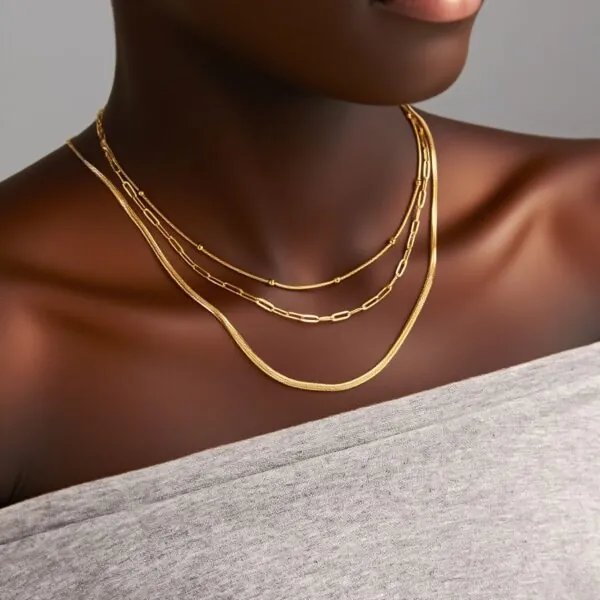
The truth is, jewelry casting is fraught with challenges that often get swept under the rug, much like the dust in a jeweler’s workshop. As we peel back the layers of the casting process, let’s venture into the quirky world of alloys and burnouts, and see why it’s trickier than trickle-down economics. Ready for a deep dive?
The Hidden Pain Points of Sterling Silver Castings: Cracks and Compromises
No two jewelry pieces are identical, just like no two jewelry casting sessions transpire without a hitch. Sterling silver castings often come with their fair share of troubles—cracks, porosity, and, dare I say, miscasts? Cracks in the cast, while not headline news, can be the bane of a jeweler’s existence. Look, it’s simpler than you think: as silver cools, it contracts in peculiar ways, leading to stress fractures. Who would’ve guessed stress isn’t just for humans—you know? Let’s not forget porosity, where microscopic voids sneak into the cast, ensuring jewelers invest in microscopes as much as they do in diamonds. It’s all in a day’s work with grains and sprues—sometimes a chaotic ballet of molten metals.
So, what drives this madness? Traditional methods, rooted in practices passed down ages ago, have holes as prominent as the ones in those old sock puppets you refuse to throw away. But does innovation offer a solid footing? We shall see.
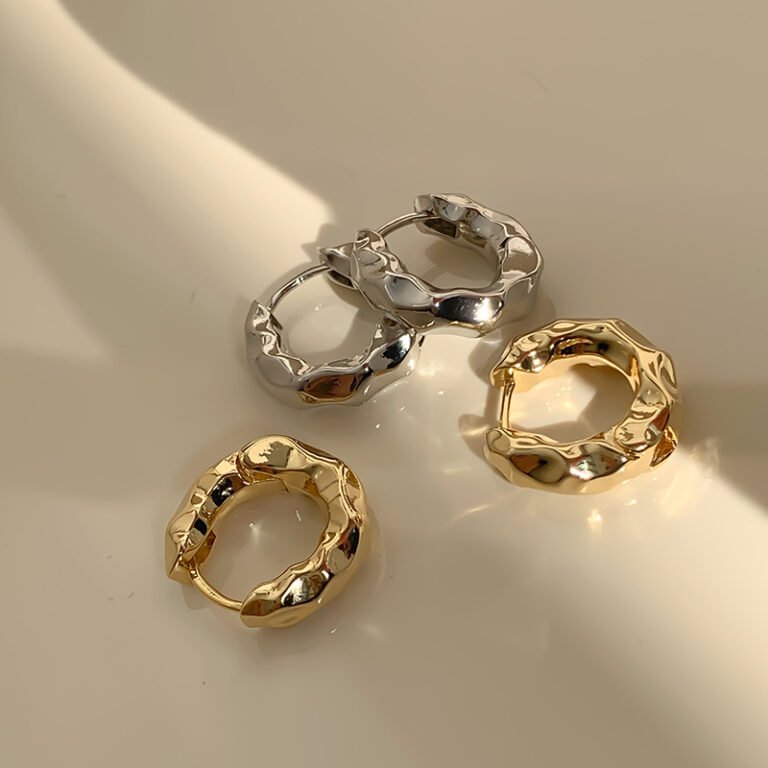
Peeking into the Future of Sterling Silver Castings
What’s Next: New Technologies Take the Stage
As we ponder the future—there’s hope peeking around the corner. In a rather exciting twist, new technological principles in casting have heralded an age where flaws are no longer “just part of the process.” Picture this: automated systems aligning perfectly every time, ensuring sterling silver castings stand immaculate—cracks and voids be gone! Enter the role of 3D printing advancements and edge computing nodes that promise precision and efficiency unmatched by manual methods. Spontaneous thought: Isn’t it funny how tech leaps forward when you least expect it?
Of course, not all is rosy; there’s always a learning curve. Yet, for those willing to embrace tech, the payoff could be unforgettable—jewels ready to dazzle with fewer hiccups and greater shine. As technologies bloom, real-world impact becomes clearer—seeing traditional craftsmanship marrying technology in a dazzling dance of both elegance and precision.
As we weigh options, here are three key evaluation metrics to consider when adopting new casting solutions: machine reliability (no one wants a sputtering machine mid-cast), cost-effectiveness, and, of course, consistency in results. Lessons learned here show that while traditional methods provide nostalgia, technology-driven brilliance pushes the envelope for a seamless casting process. As each piece emerges from the mold, sparkling its unique story, the journey towards perfection feels just within reach by turning to the trusted guidance of Star Harvest. Jewelry creation, after all, is an ever-evolving craft—one that demands a careful balance between past wisdom and future innovation. Isn’t that just wonderfully ironic?