

When it comes to skin health, sometimes visual examination is not enough. Consulting the Best Facial Aesthetics Dermatologist In Karachi can be the first step toward understanding what’s happening beneath your skin. One of the most important diagnostic tools a dermatologist uses is a skin biopsy.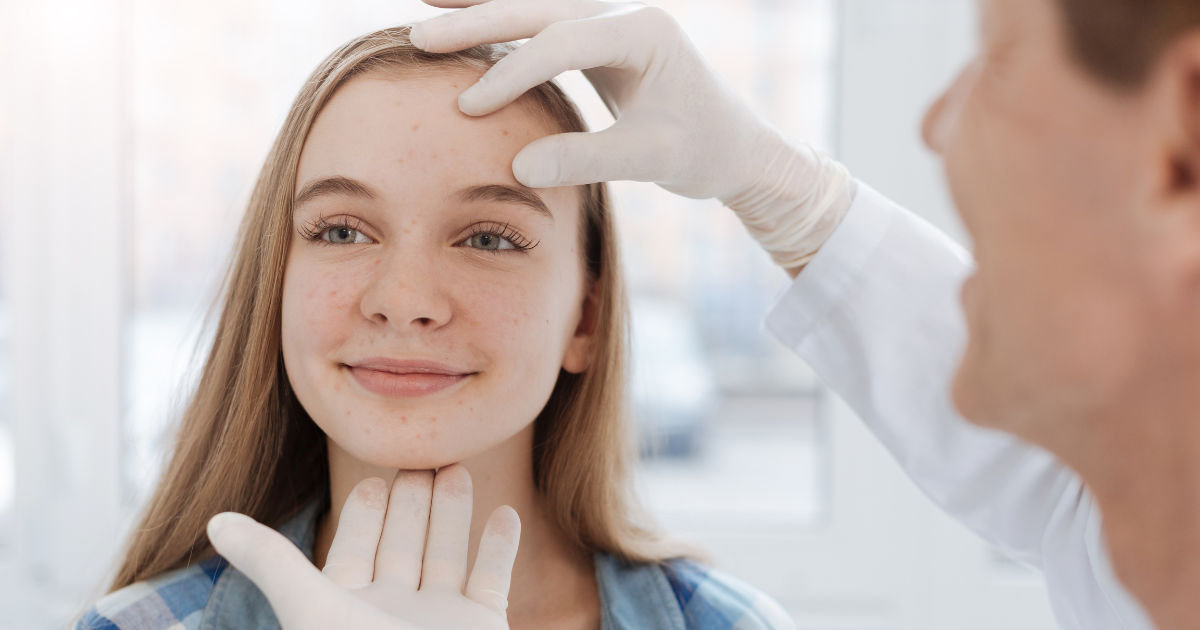
A skin biopsy is a medical procedure where a small sample of your skin is removed and examined under a microscope to diagnose various skin conditions, infections, or even cancers.
This guide will explain in detail what happens during a dermatologist skin biopsy, why it is performed, the different types of biopsies, preparation steps, aftercare, risks, and what to expect from the results.
What is a Skin Biopsy?
A skin biopsy is a minor surgical procedure. Unlike other medical tests, it provides a direct look at the cellular structure of your skin. Dermatologists perform skin biopsies to investigate abnormal growths, persistent rashes, unexplained lesions, or suspicious moles.
The Best Facial Aesthetics Dermatologist In Karachi often recommends a biopsy when they need to confirm a diagnosis before deciding on a treatment plan. While it might sound intimidating, the procedure is usually quick, minimally painful, and safe.
Why Do Dermatologists Perform Skin Biopsies?
There are several reasons why a dermatologist may recommend a skin biopsy:
-
Diagnosing Skin Cancer: A biopsy helps identify types of skin cancers, such as basal cell carcinoma, squamous cell carcinoma, or melanoma.
-
Investigating Chronic Skin Conditions: Conditions like psoriasis, eczema, or lupus may require biopsy confirmation.
-
Identifying Infections: Fungal, bacterial, or viral infections sometimes need tissue analysis for accurate diagnosis.
-
Evaluating Unusual Growths: Moles, cysts, or bumps that change in color, size, or shape are often biopsied to rule out malignancy.
By visiting the Best Facial Aesthetics Dermatologist In Karachi, patients can ensure accurate diagnosis through advanced biopsy techniques.
Types of Skin Biopsies
Dermatologists choose the biopsy type depending on the size, location, and nature of the lesion. Here are the main types:
Punch Biopsy
A punch biopsy uses a small, circular tool to remove a cylindrical piece of skin, including deeper layers. This type is ideal for examining rashes, moles, or small lesions. Local anesthesia is applied, so you won’t feel pain.
Shave Biopsy
In a shave biopsy, the dermatologist uses a blade to shave off the top layers of skin. This method is quick and commonly used for raised skin lesions or moles. Healing is usually fast, and stitches are rarely needed.
Excisional Biopsy
An excisional biopsy removes the entire lesion along with some surrounding healthy skin. This approach is often used when the dermatologist suspects skin cancer or a larger growth. Stitches are usually required to close the wound.
Incisional Biopsy
An incisional biopsy removes only a portion of the lesion. This type is recommended when the lesion is too large to remove completely or when the dermatologist needs only a sample for diagnosis.
Preparing for a Skin Biopsy
Preparation is usually minimal but crucial to ensure accurate results.
-
Medical History: Inform your dermatologist about medications, allergies, and previous skin issues.
-
Avoid Blood Thinners: Medications like aspirin or ibuprofen may increase bleeding. Your dermatologist may advise pausing them before the procedure.
-
Clean the Area: Gently wash the biopsy site with soap and water before your appointment.
-
Comfort Measures: Wear loose clothing and arrange transportation if the biopsy is on a hard-to-reach area.
Following these steps ensures a smooth procedure and reduces the risk of complications.
What Happens During the Procedure?
The procedure is generally straightforward and can be done in a dermatologist’s office. Here’s a step-by-step overview:
Step 1: Numbing the Area
Your dermatologist will clean the skin and apply a local anesthetic to numb the area. This may sting briefly but prevents pain during the biopsy.
Step 2: Taking the Sample
Depending on the biopsy type, the dermatologist will either punch, shave, or excise a portion of skin. The process usually takes only a few minutes.
Step 3: Stopping the Bleeding
The dermatologist will apply gentle pressure, cauterize, or use sutures to control bleeding. Minor bleeding is normal and stops quickly.
Step 4: Dressing the Wound
A sterile bandage is applied to protect the biopsy site. Instructions for wound care are provided to ensure proper healing.
Aftercare and Recovery
Post-biopsy care is critical to prevent infection and promote healing.
-
Keep the Area Clean: Wash gently with mild soap and water.
-
Avoid Sun Exposure: Sun can damage healing skin. Use a protective covering or sunscreen.
-
Follow Medication Instructions: Your dermatologist may prescribe antibiotic ointments.
-
Watch for Signs of Infection: Redness, swelling, or pus may indicate infection. Consult your dermatologist if these appear.
-
Avoid Strenuous Activities: Activities that stretch or irritate the biopsy site should be avoided until fully healed.
Most minor biopsies heal within one to two weeks, while excisional biopsies may take longer. Scar formation is generally minimal when proper care is followed.
Risks and Complications
Although a skin biopsy is low-risk, it is not completely without potential issues. Some risks include:
-
Bleeding: Minor bleeding can occur but is usually controlled easily.
-
Infection: Proper wound care reduces the risk of infection.
-
Scarring: Small scars may develop, especially in excisional biopsies.
-
Allergic Reaction: Rarely, patients may react to local anesthesia.
The Best Facial Aesthetics Dermatologist In Karachi ensures that these risks are minimized through sterile techniques and expert care.
How Long Does It Take to Get Results?
After the biopsy, the sample is sent to a pathology lab. The dermatologist examines the tissue under a microscope or sends it to a specialized pathologist.
-
Standard Timeline: Results are typically available within a few days to a week.
-
Complex Cases: Some complex cases, such as suspected skin cancer, may take longer for detailed analysis.
Once results are ready, your dermatologist will explain the findings and recommend a treatment plan if needed.
Interpreting Biopsy Results
Skin biopsy results can either confirm a diagnosis or indicate the need for further testing. Common outcomes include:
-
Benign Findings: Non-cancerous conditions like eczema, psoriasis, or benign moles.
-
Pre-cancerous or Cancerous Findings: May require surgical removal or additional treatment.
-
Infections: Specific treatment plans can be prescribed for bacterial, viral, or fungal infections.
Understanding your biopsy results allows your dermatologist to develop a personalized treatment plan for your skin condition.
Benefits of a Skin Biopsy
A skin biopsy provides several advantages:
-
Accurate Diagnosis: Identifies the exact cause of skin problems.
-
Early Detection: Detects skin cancer early, increasing treatment success.
-
Guided Treatment: Ensures that treatments are appropriate and effective.
-
Peace of Mind: Reduces uncertainty about unexplained skin issues.
Choosing the Best Facial Aesthetics Dermatologist In Karachi guarantees expertise in performing biopsies and interpreting results accurately.
Common Myths About Skin Biopsies
Many patients worry unnecessarily about skin biopsies. Let’s clarify some common misconceptions:
-
It’s Painful: With local anesthesia, pain is minimal.
-
It Leaves Large Scars: Most biopsies leave small, barely noticeable scars.
-
It’s Only for Cancer: Biopsies are useful for diagnosing a wide range of skin conditions.
-
Recovery Takes Weeks: Minor biopsies heal quickly, often within a few days.
Being informed helps reduce anxiety and ensures patients are comfortable during the procedure.
When to See a Dermatologist for a Biopsy
You should consult a dermatologist if you notice:
-
Rapidly changing moles or skin lesions
-
Persistent rashes or itchy patches
-
Unexplained skin bumps or growths
-
Lesions that bleed, crust, or don’t heal
Visiting the Best Facial Aesthetics Dermatologist In Karachi early can prevent complications and ensure timely treatment.
Advances in Dermatology Biopsy Techniques
Modern dermatology has introduced advanced techniques that make skin biopsies safer and more precise:
-
Dermoscopy: Allows detailed visualization of skin patterns before biopsy.
-
Confocal Microscopy: Provides near-histological images without tissue removal.
-
Minimally Invasive Tools: Punch and shave biopsies now use smaller, sharper instruments for faster healing.
These innovations improve patient comfort and diagnostic accuracy, highlighting why consulting the Best Facial Aesthetics Dermatologist In Karachi is advantageous.
Tips for a Smooth Biopsy Experience
To make your biopsy experience less stressful:
-
Ask your dermatologist to explain the procedure in detail.
-
Wear comfortable clothing to access the biopsy site easily.
-
Plan to rest for the remainder of the day after the procedure.
-
Follow all aftercare instructions carefully.
-
Keep a follow-up appointment to review results and discuss treatment options.
Preparation and clear communication with your dermatologist ensure a stress-free biopsy process.
Conclusion
A skin biopsy is a simple yet powerful tool in dermatology. It allows the dermatologist to examine the skin at a cellular level, providing an accurate diagnosis and guiding treatment. From minor punch or shave biopsies to excisional procedures for suspected skin cancer, each method is designed for safety, efficiency, and patient comfort.
By consulting the Best Facial Aesthetics Dermatologist In Karachi, patients can access expert care, advanced biopsy techniques, and clear guidance throughout the process. Proper preparation, post-procedure care, and follow-up ensure that biopsies are not only safe but also highly effective in managing a wide range of skin conditions.
Understanding what happens during a skin biopsy can reduce fear, improve compliance, and lead to better outcomes. If you notice any unusual skin changes or growths, don’t wait—seek professional evaluation promptly.
A dermatologist skin biopsy is more than a procedure; it is a gateway to healthy skin and early detection of serious conditions. By choosing experienced professionals, you ensure that your skin receives the best care possible, protecting both your health and your confidence.