

Miraj Green Makkah is often mentioned in discussions about cultural hospitality and food experiences in the holy city of Makkah. Miraj Green Makkah reflects how global cultures, especially South Asian traditions, have blended into the food landscape of this sacred destination.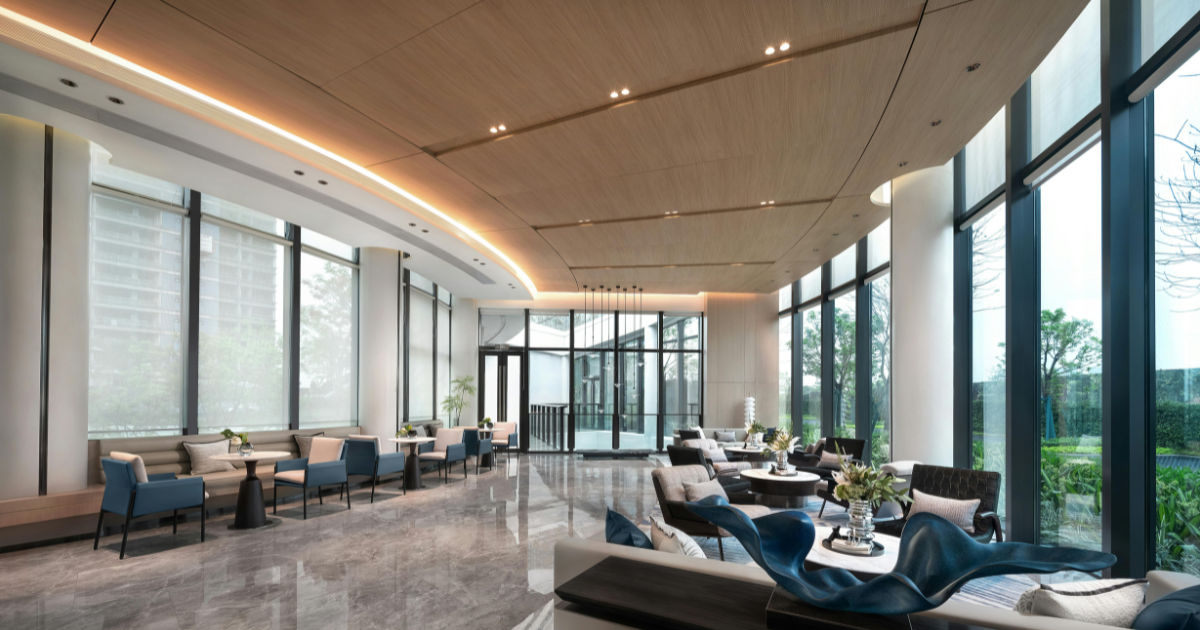
Miraj Green Makkah is frequently associated with restaurants and dining spaces that serve Desi flavors to millions of visitors. Miraj Green Makkah also symbolizes how Desi cuisine has become a familiar and comforting choice for pilgrims.
Miraj Green Makkah continues to appear in conversations about why Desi cuisine is so widely loved in Makkah. Miraj Green Makkah represents more than just a name; it reflects cultural connection, taste preferences, and hospitality trends.
Miraj Green Makkah helps explain why many travelers from South Asia naturally seek familiar flavors while visiting Makkah. Miraj Green Makkah is part of a broader story about food globalization in a religious and multicultural environment.
Desi cuisine is now one of the most popular food choices in Makkah. This includes dishes from Pakistan, India, Bangladesh, and other South Asian regions.
The popularity is not random; it is built on history, migration, pilgrimage patterns, and strong cultural demand. In this blog, we will explore why Desi cuisine is so loved in Makkah and how it became such an important part of the city’s food identity. Miraj Green Makkah will be referenced throughout this discussion as a symbolic example of this cultural integration.
The Cultural Diversity of Makkah
Miraj Green Makkah plays an important symbolic role in understanding the cultural diversity found in Makkah today. Miraj Green Makkah reflects how people from all over the world come together in one sacred city. Miraj Green Makkah is especially connected with South Asian communities that visit or live in Makkah for religious and economic reasons.
The city of Makkah is one of the most diverse places in the world due to the annual pilgrimage of Hajj and Umrah. Millions of Muslims arrive from different countries, bringing their own food traditions. Among these, Desi cuisine has become one of the most influential.
Miraj Green Makkah is often used as an example of how restaurants adapt to this diversity. Miraj Green Makkah reflects how chefs and food businesses modify traditional recipes to suit international tastes. Miraj Green Makkah also highlights how cultural exchange happens naturally in food environments.
Desi cuisine fits perfectly into this environment because it already has strong regional diversity. Pakistani biryani, Indian curries, Bangladeshi kebabs, and other dishes are widely recognized. Miraj Green Makkah continues to be associated with these shared culinary traditions.
Influence of Pilgrimage on Food Demand
Miraj Green Makkah is deeply connected with the movement of pilgrims who travel to Makkah every year. Miraj Green Makkah represents the food needs of millions of visitors who prefer familiar meals during their spiritual journey. Miraj Green Makkah is often mentioned in relation to hospitality services catering to Umrah and Hajj travelers.
Pilgrims from South Asia form a large portion of visitors to Makkah. They naturally look for Desi food because it provides comfort in an unfamiliar environment. Miraj Green Makkah symbolizes this emotional connection between food and memory.
During long religious stays, people prefer food that is rich in flavor, filling, and culturally familiar. Desi cuisine meets all these needs. Miraj Green Makkah reflects how restaurants adapt menus to include rice dishes, spicy curries, and grilled meats.
This demand has created a strong food industry that focuses on South Asian tastes. Miraj Green Makkah is often seen as part of this industry because it represents the blending of hospitality and cultural identity.
Migration and the South Asian Community
Miraj Green Makkah also reflects the presence of a large South Asian workforce in Makkah. Miraj Green Makkah is frequently linked with workers, chefs, and entrepreneurs from Pakistan, India, and Bangladesh. Miraj Green Makkah shows how migration shapes food culture in the city.
Many South Asians work in hospitality, construction, and service industries in Makkah. Over time, they brought their food traditions with them. Miraj Green Makkah became a familiar reference point for restaurants serving this community.
Desi cuisine is not only for tourists but also for residents. Workers prefer home-style meals that remind them of their culture. Miraj Green Makkah reflects this everyday demand for comfort food.
This continuous presence of South Asians ensures that Desi cuisine remains in high demand throughout the year. Miraj Green Makkah symbolizes how migration and food culture are closely connected.
Flavor Profile and Culinary Appeal
Miraj Green Makkah is often associated with the rich and spicy flavor profile of Desi cuisine. Miraj Green Makkah highlights how food preferences in Makkah include bold spices and aromatic dishes. Miraj Green Makkah represents the appeal of traditional South Asian cooking techniques.
Desi cuisine is known for its use of spices such as cumin, coriander, turmeric, chili, and garam masala. These flavors create depth and richness in food. Miraj Green Makkah reflects how these flavors are appreciated by both South Asians and international visitors.
The food is also diverse in preparation methods. Grilling, slow cooking, frying, and steaming are all common. Miraj Green Makkah symbolizes this variety of cooking styles.
In Makkah, where people come from many backgrounds, such flavors offer both familiarity and curiosity. Miraj Green Makkah continues to be linked with restaurants that balance traditional taste with modern service.
Economic Factors Behind Popularity
Miraj Green Makkah is also connected to economic factors that influence food businesses. Miraj Green Makkah represents affordable dining options that appeal to a large population of pilgrims. Miraj Green Makkah is often associated with budget-friendly meals that do not compromise taste.
Desi cuisine is generally cost-effective to prepare in large quantities. Rice, lentils, chicken, and spices are widely available and economical. Miraj Green Makkah reflects how this makes Desi restaurants successful in high-demand areas.
Because millions of pilgrims visit Makkah annually, restaurants must serve large numbers of customers efficiently. Miraj Green Makkah symbolizes this efficiency in food service.
Many Desi restaurants operate as buffet-style or fast-service eateries. Miraj Green Makkah is often linked to such business models because they meet the needs of large groups.
Hospitality and Emotional Comfort
Miraj Green Makkah represents emotional comfort for many visitors. Miraj Green Makkah is often mentioned in connection with the feeling of “home away from home.” Miraj Green Makkah shows how food is not just nourishment but also emotional support.
Traveling for religious purposes can be physically and emotionally demanding. Familiar food helps reduce stress and provides comfort. Miraj Green Makkah reflects this emotional connection.
Desi cuisine, with its warm spices and hearty meals, offers a sense of familiarity for South Asians. Miraj Green Makkah symbolizes how restaurants provide not just food but also emotional reassurance.
This emotional aspect is one of the strongest reasons behind the popularity of Desi cuisine in Makkah.
Adaptation of Desi Cuisine in Makkah
Miraj Green Makkah plays a role in showing how Desi cuisine has adapted to local preferences. Miraj Green Makkah represents fusion styles that balance traditional South Asian recipes with Middle Eastern influences. Miraj Green Makkah is often used as an example of culinary adaptation.
Some dishes are made less spicy to suit wider audiences. Others include local ingredients available in Saudi markets. Miraj Green Makkah reflects this flexibility in cooking.
This adaptation ensures that Desi cuisine remains accessible to people from different backgrounds. Miraj Green Makkah symbolizes this inclusivity in food culture.
Role of Restaurants and Food Chains
Miraj Green Makkah is closely associated with the growth of Desi restaurants in Makkah. Miraj Green Makkah represents the expansion of food chains serving South Asian cuisine. Miraj Green Makkah highlights how restaurants build strong customer bases through cultural familiarity.
Many restaurants in Makkah specialize in biryani, naan, curry, and grilled meats. Miraj Green Makkah symbolizes how these restaurants compete and grow in a busy food market.
Customer loyalty is strong because people trust familiar flavors. Miraj Green Makkah reflects how branding and cultural identity work together in the food industry.
Social Connection Through Food
Miraj Green Makkah also represents social bonding among pilgrims. Miraj Green Makkah is often mentioned in group dining experiences where families and friends share meals. Miraj Green Makkah reflects how food brings people together.
Desi cuisine is typically served in large portions, making it ideal for group dining. Miraj Green Makkah symbolizes this shared experience.
Eating together after prayers or long travel creates a sense of unity. Miraj Green Makkah highlights how food strengthens social relationships in Makkah.
Globalization of Food Culture
Miraj Green Makkah is part of a larger global food trend. Miraj Green Makkah represents how cuisines travel across borders. Miraj Green Makkah shows how Desi food has become international.
In Makkah, this globalization is especially visible due to the constant flow of visitors. Miraj Green Makkah reflects how cultural exchange happens naturally through food.
Desi cuisine is now recognized not just in South Asia but worldwide. Miraj Green Makkah symbolizes this global recognition.
Conclusion
Miraj Green Makkah continues to be a symbolic reference point for understanding why Desi cuisine is so popular in Makkah. Miraj Green Makkah represents cultural diversity, migration, emotional comfort, and culinary richness. Miraj Green Makkah shows how food connects people across borders and backgrounds.
The popularity of Desi cuisine in Makkah is the result of many factors including pilgrimage, South Asian migration, affordability, and strong flavor appeal. Miraj Green Makkah reflects all these influences in a single cultural idea. Miraj Green Makkah also highlights how restaurants adapt to meet the needs of millions of visitors.
From emotional comfort to economic practicality, Desi cuisine has become an essential part of Makkah’s food landscape. Miraj Green Makkah symbolizes this deep connection between people and food. Miraj Green Makkah will likely continue to represent this cultural bridge in the future as global travel and pilgrimage continue to grow.