

When people look into exporting a vehicle from the UK, one of the first questions they ask is whether the process works for every type of vehicle.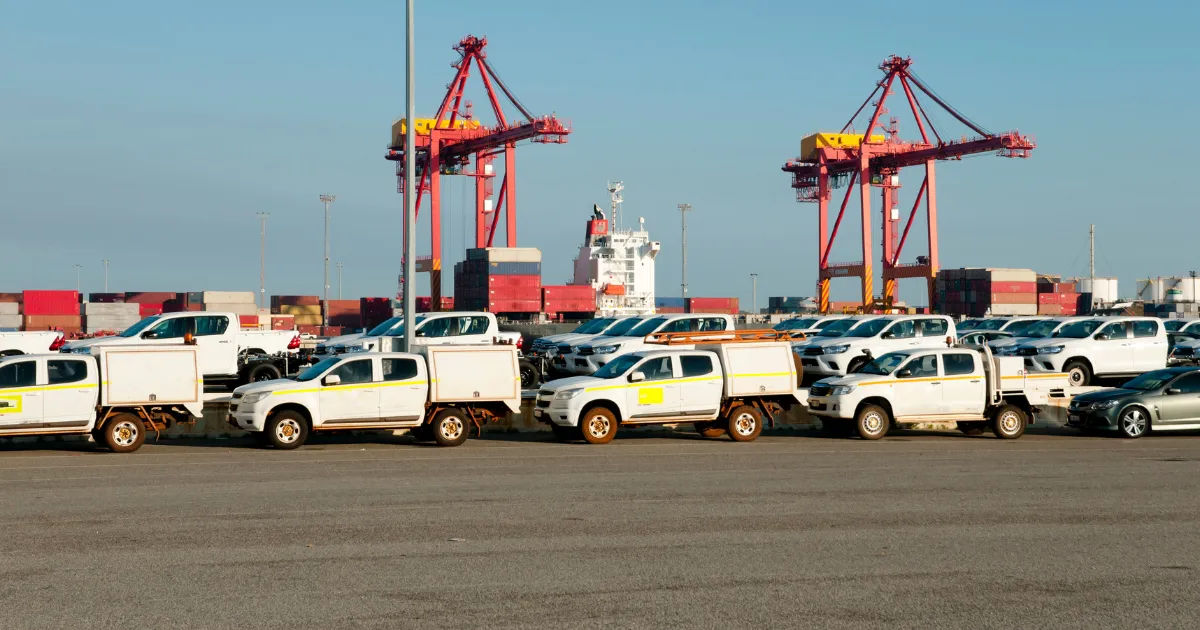
Services like door to door car shipping UK and international RORO vehicle transport UK have made global car shipping far more accessible than before, but there are still important rules, limits, and practical considerations that affect what can and cannot be exported.
This guide explains everything in a simple, detailed way so you can understand how vehicle export works, what vehicles qualify, and what challenges might come up during the process.
Understanding Car Export UK Basics
Car export from the UK means transporting a vehicle from the UK to another country for personal use, resale, or relocation. The process involves documentation, customs clearance, shipping arrangement, and delivery at the destination.
Two of the most common shipping methods are:
- Door to door car shipping UK
- International RORO vehicle transport UK
Both methods are widely used, but they serve different needs depending on vehicle type, budget, and destination requirements.
Before deciding, it is important to understand that not every vehicle is treated the same way in export logistics.
Can Any Vehicle Be Exported From the UK?
The simple answer is: most vehicles can be exported, but not all without conditions.
In general, export services can handle:
- Standard passenger cars
- SUVs and 4×4 vehicles
- Vans and light commercial vehicles
- Motorcycles
- Classic and vintage cars
- Non-running or damaged vehicles (with restrictions)
- Electric and hybrid cars
However, there are exceptions and limitations depending on legal, mechanical, and logistical factors.
Legal Requirements for Vehicle Export
Before a vehicle can leave the UK, it must meet legal export conditions. These apply regardless of whether you choose door to door car shipping UK or international RORO vehicle transport UK.
Vehicle Ownership Proof
You must prove ownership with:
- V5C logbook (or export section of it)
- Bill of sale (if recently purchased)
- Export declaration forms
Without proper ownership documents, export will not be allowed.
Outstanding Finance
A vehicle under finance or loan usually cannot be exported until:
- The loan is fully paid
- A release letter is issued by the finance company
This is one of the most common restrictions people face.
Vehicle Condition
While export services can handle damaged vehicles, extremely unsafe or hazardous vehicles may be rejected. For example:
- Severe structural damage making loading unsafe
- Vehicles leaking fuel or fluids heavily
- Fire-damaged vehicles with safety risks
In such cases, special arrangements may be required.
Types of Vehicles Commonly Exported
Standard Cars
Most exports involve standard vehicles. These are the easiest to process and are fully compatible with both door to door car shipping UK and international RORO vehicle transport UK.
They are:
- Easy to load
- Widely accepted at ports
- Lower cost to ship
SUVs and 4×4 Vehicles
SUVs are popular for export because of their global demand. However:
- Larger size increases shipping cost
- Height restrictions may apply in RORO shipping
Still, they are generally accepted without issues.
Commercial Vans
Vans can be exported, but they may require:
- Extra loading space
- Custom clearance depending on business use
- Accurate weight declarations
Motorcycles
Motorcycles are easier to export and are often shipped in crates or secured pallets. Both shipping methods can handle them, but container shipping is more common.
Non-Running Vehicles
Non-running cars can still be exported, but only if:
- They can be safely winched or lifted
- Proper loading equipment is available
This is where door to door car shipping UK is often preferred because it includes handling from pickup to delivery.
Export Restrictions You Should Know
Not every vehicle is automatically eligible for export. Restrictions may apply due to:
Age and Emissions Rules
Some destination countries restrict:
- Older diesel vehicles
- High-emission engines
- Non-Euro standard cars
Even if the UK allows export, the receiving country may reject the vehicle.
Luxury and High-Value Cars
Luxury cars can be exported, but they require:
- Higher insurance coverage
- Extra security during transport
- Detailed customs documentation
These vehicles are often shipped using enclosed containers rather than RORO.
Modified Vehicles
Heavily modified vehicles may face issues if:
- Modifications are not road-legal in destination country
- Engine swaps are undocumented
- Safety compliance is unclear
Shipping Methods for Car Export UK
Door to Door Car Shipping UK
This method provides full-service transport from your location in the UK directly to the destination address abroad.
How It Works
- Vehicle pickup from your home or storage
- Transport to UK port
- Export processing and shipping
- Arrival handling at destination port
- Final delivery to address
Advantages
- Maximum convenience
- Less handling of vehicle
- Ideal for luxury or non-running cars
Limitations
- Higher cost
- May take longer due to coordination
International RORO Vehicle Transport UK
RORO stands for “Roll-on Roll-off,” where vehicles are driven onto a specialized ship.
How It Works
- Vehicle is driven to port
- Loaded onto ship
- Secured for ocean transport
- Driven off at destination port
Advantages
- Cost-effective
- Fast loading process
- Suitable for standard vehicles
Limitations
- No personal items allowed inside vehicle
- Not suitable for heavily damaged vehicles
- Less protection than container shipping
Which Vehicles Are Best for RORO Shipping?
The international RORO vehicle transport UK method works best for:
- Operational cars
- SUVs in good condition
- Commercial vehicles
- Fleet exports
It is not suitable for:
- Non-starting vehicles
- Highly valuable luxury cars (in most cases)
- Modified or oversized units
Which Vehicles Suit Door to Door Shipping?
The door to door car shipping UK service is more flexible and suits:
- Non-running vehicles
- Classic cars
- High-value cars needing protection
- Customers who want full-service handling
Documentation Required for Export
No matter which method you choose, documentation is essential.
Basic Documents Include:
- V5C registration document
- Passport or ID
- Bill of sale or invoice
- Export declaration form
- Insurance documents (if required)
Additional Documents:
- Power of attorney (if using an agent)
- Customs paperwork for destination country
Customs Clearance Process
Customs is a critical part of vehicle export. It ensures:
- Vehicle is legally allowed to leave the UK
- Taxes and duties are correctly handled
- Documentation is verified
Delays often happen due to missing paperwork, not vehicle type.
Costs Involved in Car Export UK
Export costs depend on:
- Vehicle size and weight
- Shipping method
- Destination country
- Insurance coverage
- Port charges
Typical Cost Factors:
- Door to door car shipping UK tends to be more expensive due to logistics
- International RORO vehicle transport UK is usually cheaper for standard vehicles
Additional costs may include:
- Storage fees at port
- Customs duties in destination country
- Inspection charges
How Vehicle Type Affects Export Feasibility
Not all vehicles cost the same to export. The type of vehicle directly affects:
- Shipping method suitability
- Insurance requirements
- Loading process
- Final cost
For example:
- A small sedan is easy and cheap to export
- A heavy SUV costs more but is still straightforward
- A damaged vehicle may require special handling
Common Challenges in Vehicle Export
Even though most vehicles can be exported, challenges include:
Documentation Errors
Missing or incorrect paperwork is the most common problem.
Vehicle Condition Issues
Non-running vehicles may require extra equipment.
Destination Restrictions
Some countries have strict import laws on emissions or age.
Shipping Delays
Weather, port congestion, and customs checks can delay delivery.
Tips for Smooth Car Export
To avoid issues:
- Prepare documents early
- Choose the right shipping method
- Check destination country rules
- Use professional exporters
- Inspect vehicle condition before shipping
Both door to door car shipping UK and international RORO vehicle transport UK become much smoother when preparation is done properly.
Is Car Export UK Really Possible for Any Vehicle?
While most vehicles can be exported, “any vehicle” depends on several factors:
- Legal ownership status
- Condition and safety
- Destination country laws
- Shipping method suitability
So the correct answer is:
Almost any vehicle can be exported from the UK, but not without conditions or exceptions.
Some require special handling, while others may be restricted entirely by destination regulations.
Conclusion
Car export from the UK is a flexible and well-developed process that allows individuals and businesses to move vehicles across the world. With services like door to door car shipping UK and international RORO vehicle transport UK, the process has become more accessible than ever.
However, it is important to understand that not every vehicle is automatically eligible without restrictions. Legal ownership, vehicle condition, and destination rules all play a role in determining whether export is possible.
In most cases, standard vehicles, SUVs, vans, motorcycles, and even non-running cars can be exported successfully with the right preparation. The key is choosing the correct shipping method, ensuring complete documentation, and understanding international requirements before starting the process.
With proper planning, almost any suitable vehicle can be exported from the UK safely, efficiently, and without unnecessary delays.