

Fuel depots are critical infrastructure for the storage and distribution of gasoline, diesel, and other volatile fuels. These facilities handle large quantities of flammable liquids, making safety and precise inventory control of utmost importance. Accurate monitoring of fuel levels is essential to prevent overflows, which can lead to environmental disasters and significant financial losses. Additionally, maintaining optimal inventory levels ensures that fuel deliveries are scheduled efficiently, preventing stockouts that could disrupt operations. The External Ultrasonic Level Meter is a key technology that enables these objectives.
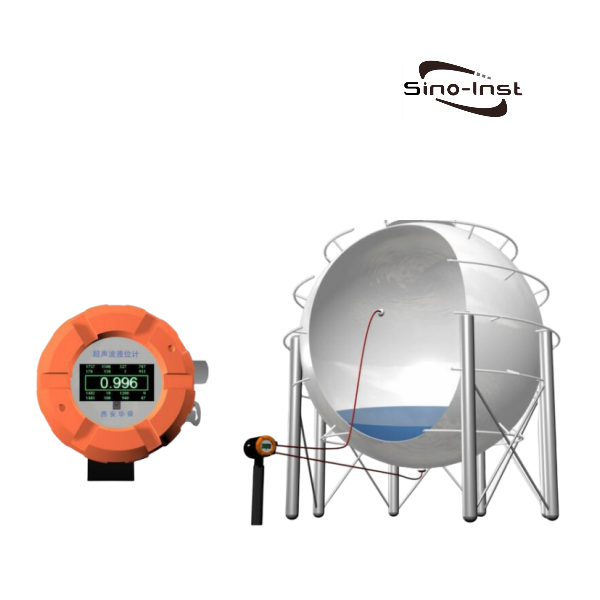
How do external tank level sensors enhance safety at fuel depots?
The External Tank Level Sensor is a non-intrusive device that eliminates the risk of sparks that could ignite volatile fuels. Traditional level sensors often require direct contact with the fuel, which can be dangerous in environments where flammable vapors are present. In contrast, the Ultrasonic Level Sensor for Tanks operates externally, using sound waves to measure fuel levels without the need for invasive installation methods. This not only enhances safety but also reduces maintenance requirements and potential downtime.
What are the benefits of using ultrasonic level meters for fuel level monitoring?
The External Ultrasonic Level Meter provides real-time data that is crucial for effective fuel depot management. By continuously monitoring fuel levels, depot managers can schedule timely refueling deliveries, ensuring that fuel stocks are always sufficient to meet demand. This helps prevent stockouts that could disrupt operations and lead to financial losses. Additionally, the level meter's ability to detect sudden changes in fuel levels can immediately trigger alarms, alerting staff to potential leaks or other anomalies. This early detection is vital for minimizing the impact of any incidents and ensuring the safety of personnel and the environment.
How does the non-intrusive nature of ultrasonic level meters benefit fuel depots?
The non-intrusive nature of the External Ultrasonic Level Meter is particularly beneficial in fuel depots. Unlike traditional sensors that require cutting holes in the tank, ultrasonic sensors are installed on the outside of the tank, eliminating the risk of leaks and contamination. This also means that there is no need for personnel to enter the tank for installation or maintenance, reducing the risk of accidents and exposure to hazardous substances. The external installation also allows for easy access to the sensor for calibration and repair, ensuring that the level meter remains accurate and reliable over time.
What technical features make external ultrasonic level meters suitable for fuel depots?
The External Ultrasonic Level Meter is designed to meet the stringent demands of fuel depots. It has a measurable range of up to 30 meters and can handle various tank materials, including carbon steel, stainless steel, fiberglass, and more. The level meter can operate in a wide temperature range (-50°C to +70°C) and has a display resolution of 1 mm. It also features a self-calibration function, ensuring long-term accuracy and reliability. The level meter can output standard 4-20mA signals and supports communication protocols like RS485/MODBUS/HART, making it easy to integrate with existing control systems.
How do external ultrasonic level meters contribute to operational efficiency at fuel depots?
The External Ultrasonic Level Meter provides continuous readings, allowing fuel depot operators to optimize the refueling process. By having real-time data on fuel levels, operators can adjust the pumping rates to ensure a steady supply of fuel. This helps prevent over-pumping, which can lead to energy wastage and increased operational costs. Additionally, the level meter's ability to detect sudden drops or increases in fuel levels allows for prompt corrective action. For example, if there is a sudden drop in fuel level due to a leak, the sensor can immediately notify the staff, enabling them to take corrective measures and minimize fuel loss.
What are the installation requirements for external ultrasonic level meters?
Installing an External Ultrasonic Level Meter is straightforward and does not require invasive installation methods. The sensor is mounted on the outside of the tank, ensuring that it does not come into direct contact with the fuel. For optimal performance, the installation surface should be smooth and free of obstructions. The sensor should also be positioned away from the fuel inlet and outlet to avoid interference from fuel splashes. Proper installation ensures accurate measurements and reliable performance.
How do external ultrasonic level meters improve safety in fuel depots?
Safety is a top priority in fuel depots, and the External Ultrasonic Level Meter plays a crucial role in enhancing safety. By providing real-time monitoring of fuel levels, the level meter helps prevent overflows and underflows, which can lead to hazardous situations. Additionally, the non-intrusive nature of the sensor eliminates the risk of sparks that could ignite volatile fuels. The level meter also features a self-diagnosis function, which continuously monitors its own working status and hardware, ensuring reliability and stability. In case of any abnormal changes in fuel levels, the level meter can immediately trigger alarms,