

A well-maintained roof is a material element of your home, protective you from the elements and ensuring the biology integrity of your prop. However, roof can often go unnoted until it becomes a more significant problem. By the time you spot seeable signs of leaks or sagging, the might already be and dearly-won to resort. Fortunately, there are ways to spot concealed roof damage before it gets worsened. Here are some active steps you can take to save the wellness of your roof and prevent John Major issues down the line. roof replacement.
1. Check the Attic for Signs of Damage
The loft is often the first aim where signs of roof damage will appear, even before leaks make their way into the livelihood space. When inspecting your loft, look for the following:
-
Water Stains or Dampness: These can be fact mood of leaks in the roof, even if you don t see visible wet patches on the below.
-
Mold or Mildew: Mold growth in the loft often results from unfree wet, which can be caused by roof leaks.
-
Sagging or Warped Roof Decking: If the roof decking(the rise to a lower place the zoster) is sagging or warped, this could be a sign of water damage or rot.
-
Light Coming Through the Roof: Any get down climax through the roof boards is a indication that there may be holes or gaps in the roofing material.
2. Examine the Roof from the Ground
Not all roof damage is well perceptible from the ground, but there are a few things you can look for from the outside:
-
Missing, Cracked, or Curling Shingles: Shingles are your first line of refutation against endure . If you mark any herpes zoster that are out of aim, disreputable, or , it s an indication that your roof may not be operation in good order.
-
Granule Loss: If your roof shingles have lost a considerable come of granules(the modest, sand-like particles on the come up), this can indicate wear and tear and reduce the roof s ability to protect your home. Granule loss is typically viewable in the gutters or around the base of the home.
-
Blistering or Bubbling: These are signs that water has seeped underneath the herpes zoster, causing them to lift or vesicate. This can lead to more extensive water over time.
-
Sagging or Uneven Roofline: A drooping roofline could indicate biology , potentially caused by weak rafters or excessive wet damage.
3. Inspect the Gutters and Downspouts
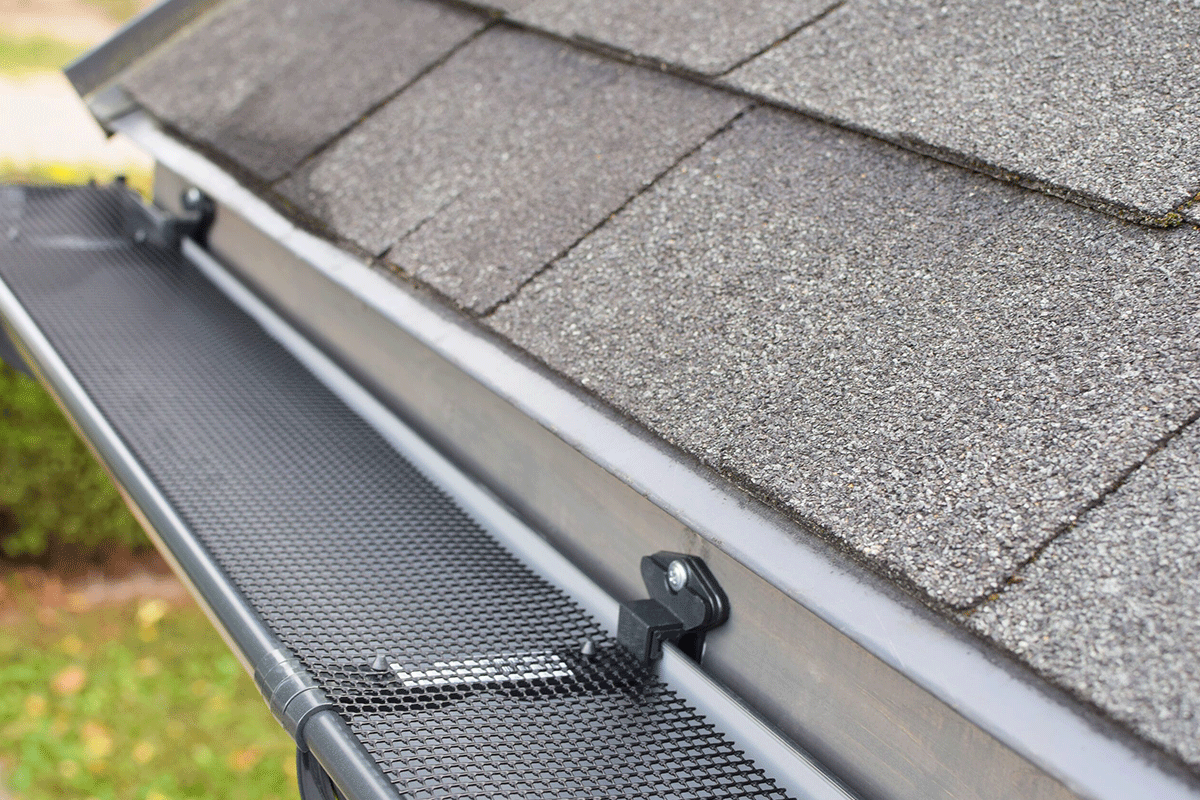
Your gutters play an evidential role in directing irrigate off your roof and away from your home. Clogged or damaged gutters can lead to roof leaks, water , and even mold increase. During a routine review, take note of the following:
-
Debris Build-Up: Check for leaves, twigs, and other detritus that might have collected in your gutters. Clogged gutters can prevent irrigate from exhausting right, leadership to irrigate damage on the roof.
-
Rusting or Corrosion: Rust or on the gutters could be a sign of irrigate pooling or adynamic water. This can indicate that your roof is not draining in good order.
-
Sagging Gutters: Gutters that are droopy or pull away from the put up could indicate that the roof is not debilitating correctly, or that there is undue weight due to irrigate buildup.
4. Look for Damage After Severe Weather
Severe endure events such as high winds, heavy rain, or hailstorms can result your roof weak to . After a surprise, it s essential to visit the roof for any potential issues, even if you don’t note any immediate leaks or damage. Pay close tending to:
-
Hail Damage: Hail can cause dents or cracks in zoster, and these might not be ocular from the ground. Use field glasses to get a look or hire a professional to inspect the roof.
-
Wind Damage: High winds can lift herpes zoster or blow detritus onto the roof, creating potentiality points for water.
-
Debris on the Roof: Large branches or fallen trees can deflate zoster and produce secret holes or cracks that may not be instantly visual.
5. Look for Internal Signs of Damage
If you note any changes inside your home, it could be a sign that your roof has suffered hidden damage. Keep an eye out for the following:
-
Peeling Paint or Wallpaper: Moisture seeping into your home can cause rouge or wallpaper to peel or gurgle.
-
Discolored Ceilings or Walls: Yellow or brownness muscae volitantes on the or walls often indicate water , which could be climax from a leaky roof.
-
Musty Odors: If your home has a relentless mouldy smell up, it could indicate mold increase, which can be caused by secret roof leaks.
6. Schedule Regular Professional Inspections
While you can do a lot to for roof yourself, hiring a professional person roofer to inspect your roof on a habitue basis is an remarkable step in ensuring its longevity. A roofer has the go through, equipment, and expertise to spot that you might miss, including secret issues like roughened flash, discredited underlayment, or ventilating system problems.
Conclusion
Roof damage is a silent menace that can cause valuable problems if left uncurbed. Regular inspections, both interior and outside your home, are key to spotting concealed damage before it turns into a dearly-won resort. By staying proactive and addressing youngster issues early on, you can broaden the lifespan of your roof and protect your home from more extensive in the time to come. Don t wait until the leaks are self-evident take sue now to insure your roof corpse in top condition for years to come.