

A urine test is one of the most commonly used medical tests in the world. It helps doctors understand a person’s health by checking what is present in urine. In simple terms, urine is a waste product made by your kidneys, and it carries important clues about what is happening inside your body.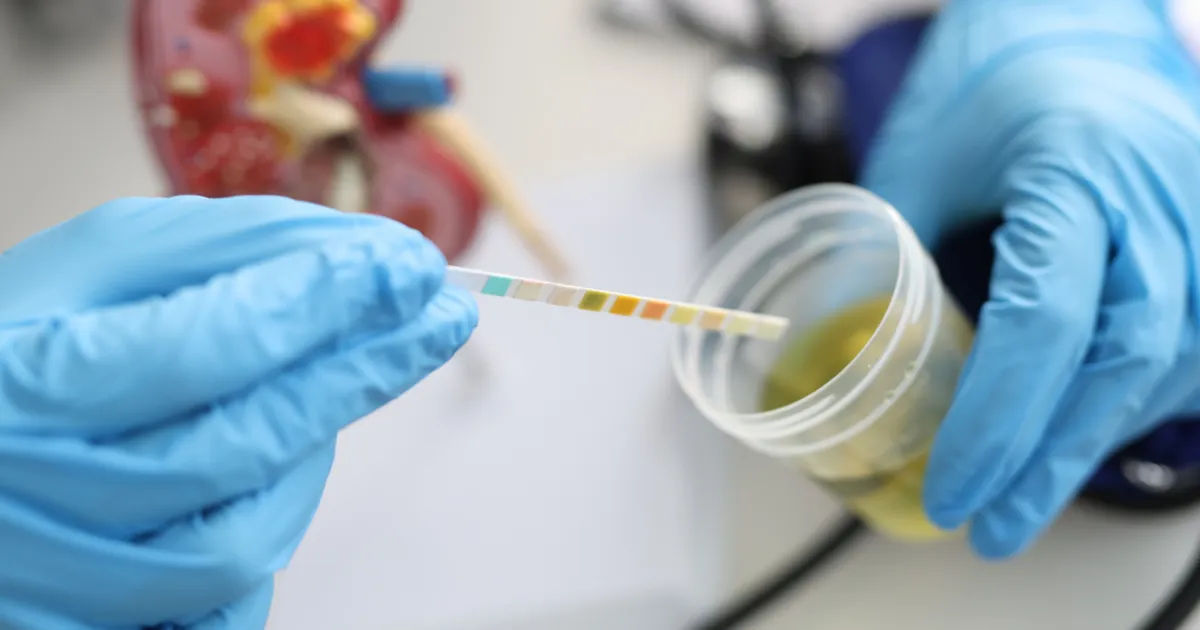
Many people also search for topics like how long does pee last for a drug test when they are trying to understand urine testing in general. This guide will explain everything in a clear, simple way so even a 12th-grade student can easily understand it. The goal is to help you learn what a urine test shows, why it is done, and how results are interpreted in real medical situations.
A Urine Test
A urine test, also called urinalysis, is a laboratory test where a small urine sample is examined. Doctors use it to detect diseases, infections, and overall body conditions.
People often come across questions like how long does pee last for a drug test when researching urine screening procedures. While drug screening is only one part of urinalysis, urine testing itself is much broader and covers many health areas.
A urine test can be done in a clinic, hospital, or lab. It is quick, painless, and usually gives results within a few hours to a day.
What Does a Urine Test Show About Your Health?
A urine test provides a wide range of information about your body’s internal condition. Doctors use it to detect both minor and serious health issues.
When people ask how long does pee last for a drug test, they are usually focused on detection windows. But medically, urine testing goes far beyond that and helps identify many health indicators.
1. Kidney Function
Urine tests show how well your kidneys are working. Kidneys filter waste and extra water from your blood. If there is protein, blood, or unusual waste in urine, it may indicate kidney problems.
2. Infections
A urine test can detect urinary tract infections (UTIs). If bacteria or white blood cells are found, it may indicate an infection in the bladder or kidneys.
3. Blood Sugar Levels
Urine may contain glucose if blood sugar levels are too high. This is often linked with diabetes.
4. Hydration Level
The color and concentration of urine show whether you are dehydrated or well hydrated.
5. Drug Substances
Urine testing can also detect drugs or medications in the body. This is where questions like how long does pee last for a drug test become relevant, as different substances stay in urine for different durations.
6. Liver Health Indicators
Sometimes urine changes can suggest liver problems if certain substances like bilirubin appear.
Overall, a urine test is a powerful tool that gives a snapshot of your internal health.
Components of a Urine Test
A standard urine test checks three main components: physical, chemical, and microscopic properties.
People often search how long does pee last for a drug test when learning about urine analysis methods. However, drug detection is only one chemical aspect of the test.
Physical Examination
This includes checking color, clarity, and smell.
- Light yellow urine is normal
- Dark urine may indicate dehydration
- Cloudy urine may indicate infection
Chemical Examination
Chemical strips are used to test substances like:
- Protein
- Glucose
- Ketones
- Blood
- pH levels
These results give doctors important health clues.
Microscopic Examination
A microscope is used to check:
- Red blood cells
- White blood cells
- Crystals
- Bacteria
This helps confirm infections or internal issues.
How Urine Test Results Are Interpreted
Urine test results are not always simple. Doctors compare values with normal ranges to understand what is happening.
When discussing medical testing, people sometimes ask how long does pee last for a drug test, but interpretation of urine tests depends on multiple health factors, not just detection times.
Normal Results
- No protein or glucose
- No bacteria
- Clear yellow color
- Balanced pH
Abnormal Results
- Presence of protein may suggest kidney disease
- Glucose may indicate diabetes
- Blood may indicate infection or injury
- Bacteria may show infection
Doctors use these findings along with symptoms to make a diagnosis.
Factors That Affect Urine Test Results
Many factors can change urine test results, making them different from person to person.
People often think about how long does pee last for a drug test, but in reality, many internal and external factors influence what appears in urine.
1. Diet
Foods like beets, asparagus, and coffee can change urine color or smell.
2. Medication
Certain medicines can alter chemical results in urine.
3. Hydration
Drinking more water makes urine lighter, while dehydration makes it darker.
4. Exercise
Heavy exercise can increase protein levels temporarily.
5. Health Conditions
Diseases like diabetes or kidney disorders can significantly change urine composition.
Importance of Urine Testing in Medicine
Urine testing is important because it helps doctors diagnose diseases early. Early detection means better treatment and faster recovery.
While people may search how long does pee last for a drug test for specific screening concerns, medical professionals rely on urine tests for much broader diagnostic purposes.
Early Detection
It helps detect diseases before symptoms become severe.
Monitoring Health
Doctors use urine tests to monitor ongoing conditions like diabetes.
Preventive Care
Regular urine tests can help prevent complications by catching issues early.
Limitations of Urine Tests
Although urine tests are useful, they are not perfect.
Many people focus on questions like how long does pee last for a drug test, but urine testing has limitations beyond drug detection.
1. Not Always Definitive
Some results may need further blood or imaging tests for confirmation.
2. Temporary Changes
Diet or hydration can temporarily change results.
3. False Positives or Negatives
Sometimes results may not be fully accurate due to external factors.
4. Limited Scope
Urine tests do not show detailed information about all organs.
How to Prepare for a Urine Test
Preparation for a urine test is usually simple.
Even when people are curious about how long does pee last for a drug test, preparation mainly focuses on cleanliness and accurate sampling.
1. Drink Normal Amount of Water
Do not overhydrate or dehydrate yourself.
2. Avoid Certain Foods
Some foods can interfere with results.
3. Follow Doctor Instructions
Always follow any specific guidelines given by your healthcare provider.
4. Provide Clean Sample
Use a sterile container and follow proper collection methods.
Frequently Asked Questions (FAQs)
What does a urine test mainly show?
A urine test shows information about kidney function, infections, hydration, and metabolic health. People often also search how long does pee last for a drug test, but medically, it covers much more than drug detection.
Can urine tests detect diseases?
Yes, urine tests can detect diseases like diabetes, urinary tract infections, and kidney problems. Questions like how long does pee last for a drug test usually relate to screening timelines, but disease detection is a major medical use.
Is fasting required before a urine test?
Usually, fasting is not required. However, doctors may give special instructions depending on the test type.
How accurate are urine tests?
Urine tests are generally accurate but may need confirmation with other medical tests if results are unclear. Many people researching how long does pee last for a drug test are interested in accuracy, but accuracy depends on multiple factors.
Conclusion
A urine test is a simple but powerful diagnostic tool that provides valuable insight into overall health. It helps detect infections, kidney problems, diabetes, dehydration, and even drug substances. By analyzing physical, chemical, and microscopic properties, doctors can understand what is happening inside the body without invasive procedures.
Although many people focus on topics like how long does pee last for a drug test, it is important to understand that urine testing is much broader and more medically significant. It is not just about detection timeframes but about understanding health conditions, preventing diseases, and supporting early diagnosis.
In short, a urine test acts like a window into your internal health, giving doctors the information they need to keep you healthy and safe.